

Dementia: Stealing Memories, Shattering Lives
Introduction
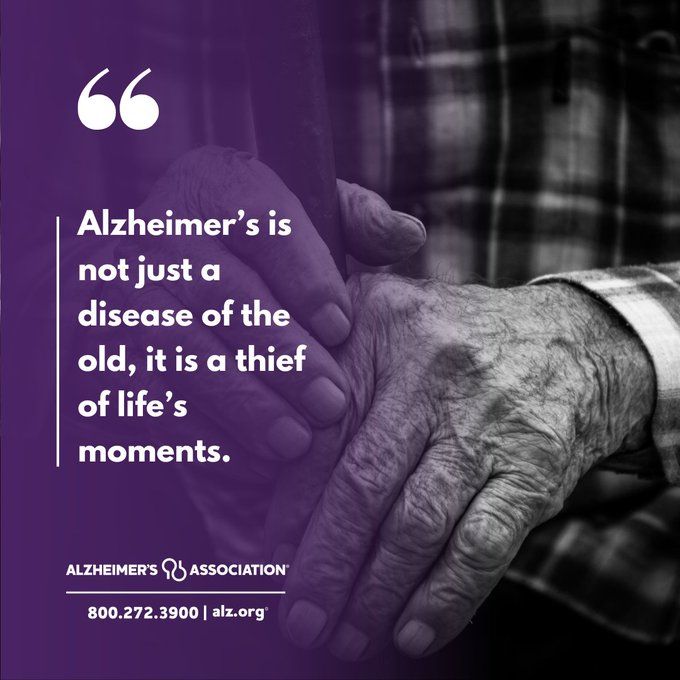
Imagine your life as a beautifully woven tapestry, each thread a precious memory, a cherished moment, a familiar face. Now picture someone slowly, relentlessly, pulling at those threads, unraveling the intricate design piece by piece. That, in essence, is what dementia does. It’s more than just forgetting where you put your keys; it’s a gradual erosion of the very essence of who you are, impacting not only the individual affected but also their families and loved ones.
Explanation of the Problem
Dementia isn’t a single disease but rather an umbrella term for a range of cognitive impairments, with Alzheimer’s disease being the most common culprit. The impact of dementia is far-reaching, affecting people of all backgrounds. While it primarily affects older adults, it’s crucial to understand that it’s not a normal part of aging.
The initial stages of dementia can be subtle, often dismissed as simple forgetfulness or a momentary lapse in judgment. But these seemingly insignificant incidents can quickly escalate. Imagine struggling to recall the name of a close friend, getting lost in familiar surroundings, or having difficulty following a simple recipe. These are the everyday challenges faced by someone in the early stages of dementia, impacting their independence, self-esteem, and overall quality of life.
For family members, the short-term impact can be equally challenging. They might find themselves constantly repeating instructions, re-explaining situations, or covering up for their loved one’s mistakes. This can lead to frustration, exhaustion, and a sense of helplessness.
As dementia progresses, the impact becomes more profound and devastating. Memory loss intensifies, language skills deteriorate, and personality changes become more pronounced. Individuals may struggle with basic self-care tasks like dressing, bathing, and eating. They might become agitated, confused, and even aggressive.
The long-term impact on families is immense. Caring for someone with advanced dementia can be physically, emotionally, and financially draining. Spouses, children, and other family members often become full-time caregivers, sacrificing their own careers, social lives, and personal well-being. The emotional toll is particularly heavy as they witness the gradual decline of their loved one. They grieve the loss of the person they once knew, even while that person is still physically present.
Solutions
While there’s currently no cure for most forms of dementia, there are ways to manage its symptoms, improve the quality of life for those affected, and provide support for caregivers.
- Early Detection is Key: Recognizing the early signs of dementia is crucial for timely intervention. If you notice persistent memory problems, difficulty with problem-solving, changes in mood or behavior, or challenges with language, consult a doctor. Early diagnosis allows for better management of symptoms and access to support services.
- Creating a Supportive Environment: Adapting the living environment to make it safe and familiar can significantly improve the well-being of someone with dementia. This might involve removing tripping hazards, labeling items clearly, using visual cues, and creating a predictable routine.
- Person-Centered Care: This approach focuses on understanding the individual’s unique needs, preferences, and life experiences. By getting to know the person behind the dementia, caregivers can provide more personalized and meaningful care. For example, playing their favorite music, engaging them in familiar activities, or simply listening to their stories can help maintain a sense of connection and purpose.
- Leveraging Technology: Technology can play a vital role in supporting individuals with dementia and their caregivers. GPS tracking devices can help locate someone who wanders, medication reminders can ensure they take their medication on time, and video calls can facilitate communication with family members who live far away.
- Support for Caregivers: Caregiving is a demanding and often isolating experience. Joining a support group, seeking counseling, or simply connecting with other caregivers can provide emotional support, practical advice, and a sense of community. Respite care, which provides temporary relief for caregivers, can also be invaluable in preventing burnout.
Alternative Approaches and Diverse Solutions
- Cognitive Therapies: Therapies such as cognitive stimulation therapy (CST) and reality orientation therapy can help improve cognitive function and maintain orientation to time and place. These therapies involve engaging in stimulating activities, discussing current events, and using visual aids to reinforce reality.
- Lifestyle Modifications: Maintaining a healthy lifestyle can also play a role in slowing the progression of dementia. This includes regular exercise, a balanced diet, adequate sleep, and social engagement. Studies have shown that these lifestyle factors can have a positive impact on cognitive health.
- Medication Management: While medications cannot cure dementia, they can help manage certain symptoms, such as memory loss, anxiety, and depression. It’s important to work closely with a doctor to determine the appropriate medications and dosage.
Case Study: The Power of Music Therapy
Consider the case of Eleanor, an 85-year-old woman with Alzheimer’s disease who had become increasingly withdrawn and agitated. Her family noticed that she seemed to respond positively to music, so they enrolled her in music therapy sessions. During these sessions, Eleanor would sing along to familiar tunes from her youth, play simple instruments, and dance with the therapist. Over time, her mood improved, her agitation decreased, and she became more engaged with her surroundings. Music therapy provided a meaningful way for Eleanor to connect with her past and express herself in the present.
Conclusion
Dementia presents significant challenges, but it doesn’t have to define the lives of those affected. By embracing early detection, creating supportive environments, and providing compassionate care, we can empower individuals with dementia to live with dignity and purpose.
The journey may be difficult, but it’s not without hope. Research into new treatments and preventative measures is ongoing, and our understanding of dementia is constantly evolving. By staying informed, advocating for change, and supporting those affected, we can create a future where dementia is no longer a devastating force, but a manageable condition.
Take action today. Educate yourself, reach out to a loved one, or volunteer with a dementia organization. Every effort, no matter how small, can make a difference in the lives of those affected by this challenging condition. Let’s work together to unravel the threads of dementia and weave a new tapestry of hope, compassion, and understanding.