

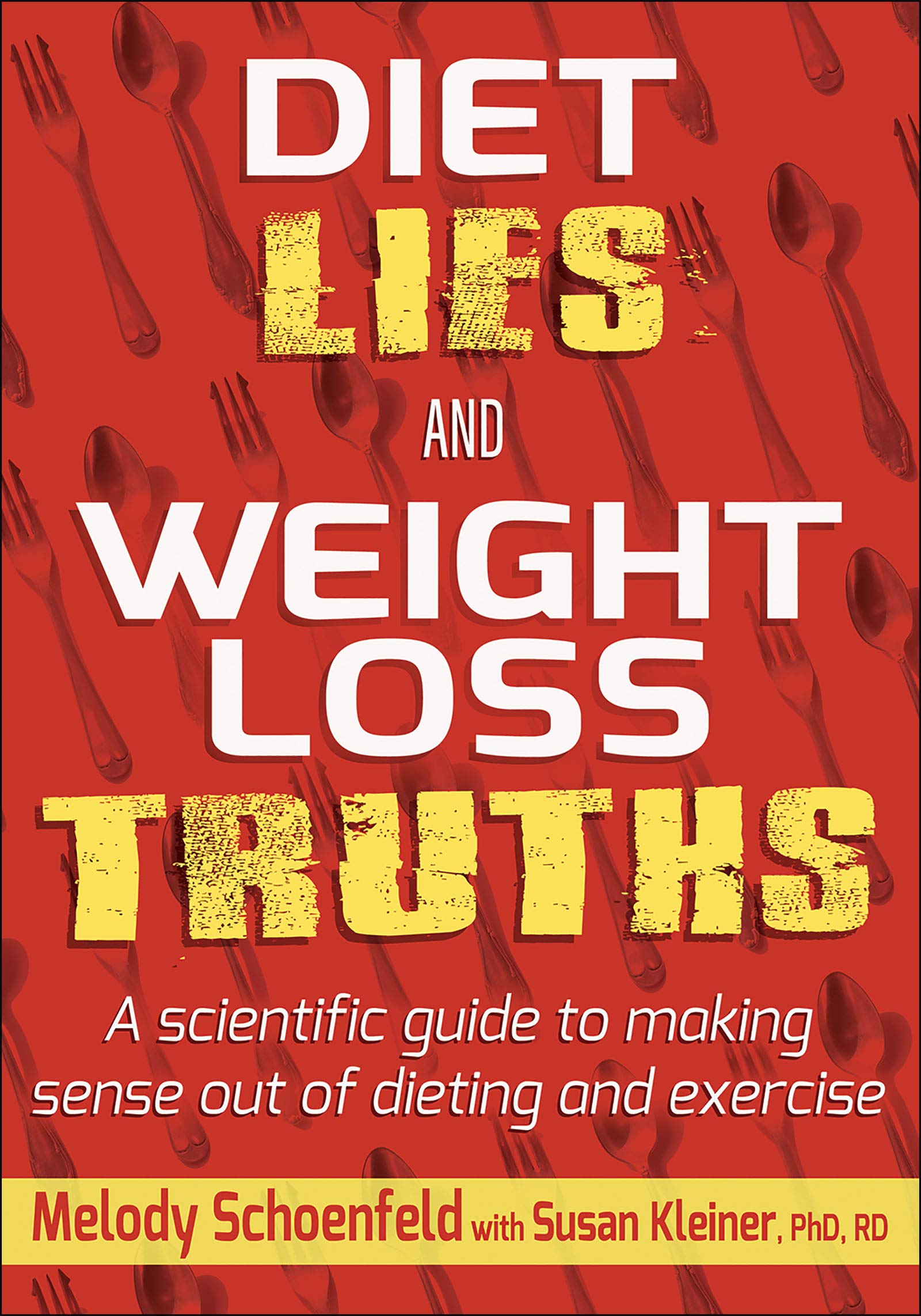
Diet Lies: The Truth About Lasting Weight Loss
Introduction
We’ve all been there. Staring at ourselves in the mirror, pinching that extra bit of… well, *everything*, and Googling the quickest way to shed those pounds. Up pops a dazzling array of diets: keto, paleo, intermittent fasting, juice cleanses, cabbage soup… The list is endless, and the promises are incredibly tempting. Lose weight fast! Get a beach body in 30 days! But let’s be honest, how many of these diets have *actually* worked for you in the long run? Probably not as many as you’d like to admit.
Because here’s the uncomfortable truth: a lot of what we’re told about dieting is, frankly, a lie. Not necessarily a malicious lie, but a simplification, a half-truth, a marketing tactic designed to prey on our desire for instant gratification. These “diet lies” can leave us feeling defeated, confused, and ultimately, heavier than when we started.
The Short-Term Sizzle, the Long-Term Fizzle
The allure of quick weight loss is undeniably powerful. Imagine dropping a dress size in a week for that wedding, or fitting into your favourite jeans again before that summer vacation. These short-term goals drive us to embrace restrictive diets that promise rapid results. We slash calories, eliminate entire food groups, and push ourselves through punishing workout routines. And in the short term, it often *works*. The numbers on the scale drop, our clothes feel looser, and we bask in the fleeting glow of success.
But what happens next?
The problem with most fad diets is that they’re unsustainable. Depriving yourself of essential nutrients, forcing your body into starvation mode, and constantly battling cravings is a recipe for disaster. Sooner or later, you’ll likely succumb to the inevitable: overeating, binging, and a rapid return to your pre-diet weight, and often, even *more* weight. This yo-yo dieting not only wreaks havoc on your metabolism but also takes a serious toll on your mental health. The feelings of guilt, shame, and failure can lead to a cycle of restrictive eating followed by emotional eating, creating a toxic relationship with food.
Think about Sarah, a vibrant young professional who tried countless diets throughout her twenties. Each time, she’d experience initial success, followed by a crushing rebound. She’d lose 10-15 pounds with a juice cleanse or keto, only to gain it all back, plus more, within a few months. “I felt like a failure,” she confessed. “I started to hate my body and felt trapped in this endless cycle of restriction and binging.” Sarah’s experience highlights the devastating long-term consequences of relying on unsustainable diet fads.
Unmasking the Diet Lies: What They Don’t Tell You
So, what are these “diet lies” that are keeping us from achieving lasting weight loss? Here are a few of the most common offenders:
- Lie #1: Calorie Restriction is King: While calorie deficit *is* necessary for weight loss, it’s not the *only* factor. Focusing solely on calorie counting ignores the importance of nutrient-dense foods, hormonal balance, and individual metabolic differences. Eating 1200 calories of processed junk food will have a vastly different effect on your body than eating 1200 calories of whole, unprocessed foods.
- Lie #2: Carbs are the Enemy: Carbs have been unfairly demonized in recent years. While processed carbs and sugary drinks should be limited, complex carbohydrates like whole grains, fruits, and vegetables are essential for energy, fiber, and overall health. Eliminating carbs entirely can lead to fatigue, nutrient deficiencies, and intense cravings.
- Lie #3: All Calories are Created Equal: This is a dangerous oversimplification. Our bodies process different types of calories differently. A calorie from protein will have a different effect on satiety and muscle building than a calorie from simple sugar. Focusing on the quality of your calories is far more important than just the quantity.
- Lie #4: There’s a “Magic Bullet” Diet: There’s no one-size-fits-all approach to weight loss. What works for your best friend may not work for you. Our bodies are unique, with different metabolisms, genetic predispositions, and lifestyle factors. Finding a sustainable eating plan that fits *your* individual needs is crucial.
The Truth About Lasting Weight Loss: A Sustainable Approach
The good news is that lasting weight loss *is* possible. But it requires a fundamental shift in mindset. It’s not about quick fixes or restrictive diets, but about building healthy, sustainable habits that you can maintain for the long haul. Here are some practical strategies:
- Focus on Whole, Unprocessed Foods: Prioritize fruits, vegetables, lean proteins, and whole grains. These foods are nutrient-dense, satisfying, and provide your body with the fuel it needs to function optimally.
- Listen to Your Body’s Hunger Cues: Learn to distinguish between genuine hunger and emotional eating. Eat when you’re truly hungry, and stop when you’re satisfied, not stuffed.
- Incorporate Regular Physical Activity: Find activities you enjoy and can incorporate into your daily routine. This could be anything from walking to dancing to swimming. Aim for at least 30 minutes of moderate-intensity exercise most days of the week.
- Prioritize Sleep and Stress Management: Lack of sleep and chronic stress can disrupt your hormones and increase cravings for unhealthy foods. Aim for 7-8 hours of quality sleep each night and find healthy ways to manage stress, such as meditation, yoga, or spending time in nature.
- Build a Support System: Surround yourself with people who support your healthy lifestyle goals. This could be friends, family, or a registered dietitian. Having a strong support system can help you stay motivated and accountable.
- Embrace Progress, Not Perfection: Don’t strive for perfection. It’s about making sustainable changes and being consistent over time. Allow yourself occasional treats and don’t beat yourself up if you have a slip-up.
Alternative Approaches: Finding What Works for You
While the core principles of healthy eating remain consistent, there are various approaches you can experiment with to find what works best for you. Consider these options:
- Mindful Eating: This involves paying attention to your food and the experience of eating, without judgment. It can help you become more aware of your hunger cues and prevent overeating.
- Portion Control: Using smaller plates and bowls, and measuring your food, can help you control your calorie intake without feeling deprived.
- Intuitive Eating: This approach focuses on trusting your body’s natural hunger and fullness signals, rather than following strict diet rules. It involves learning to differentiate between physical hunger and emotional eating, and honoring your body’s needs.
- Working with a Registered Dietitian: A registered dietitian can provide personalized guidance and support based on your individual needs and goals. They can help you create a sustainable eating plan that takes into account your medical history, lifestyle, and preferences.
For example, Maria, a busy working mother, found success with mindful eating. She started paying attention to her hunger cues and learned to savor each bite, without distractions. This helped her break free from mindless snacking and emotional eating, and she gradually lost weight without feeling deprived.
Your Journey to Lasting Wellness Starts Now
The truth about lasting weight loss isn’t a secret formula or a magic pill. It’s about adopting a holistic approach that encompasses healthy eating habits, regular physical activity, stress management, and a positive mindset. It’s about breaking free from the diet lies that have held you back and embracing a sustainable lifestyle that nourishes your body and mind.
It won’t be easy, and there will be setbacks. But remember Sarah, Maria, and countless others who have found success through sustainable changes. You have the power to rewrite your relationship with food and create a healthier, happier you. Don’t let the diet lies discourage you. Embrace the journey, celebrate your progress, and remember that lasting wellness is within your reach. Start small, be consistent, and believe in yourself. You’ve got this!