

“`html
VITAMINS: Are You REALLY Getting Enough?
Introduction
Ever feel like you’re running on fumes, even after a seemingly healthy meal? Maybe you’re battling constant colds, struggling with brain fog, or just feeling…blah? It’s easy to blame stress, a busy schedule, or even the weather. But what if the answer is simpler, hiding in the very food you think is nourishing you? What if you’re just not getting enough vitamins?
We’re bombarded with information about the importance of vitamins, but do we truly understand if we’re hitting the mark? It’s easy to assume that a reasonably balanced diet covers all the bases. However, in today’s fast-paced world, where processed foods are prevalent, soil quality is declining, and stress levels are soaring, a vitamin deficiency might be closer than you think.
The Short and Long of It: Why Vitamins Matter NOW and Later
Think of vitamins as tiny superheroes, working tirelessly behind the scenes to keep your body functioning optimally. They’re not just about preventing scurvy anymore! Their impact spans everything from your energy levels and mood to your immune system and long-term health.
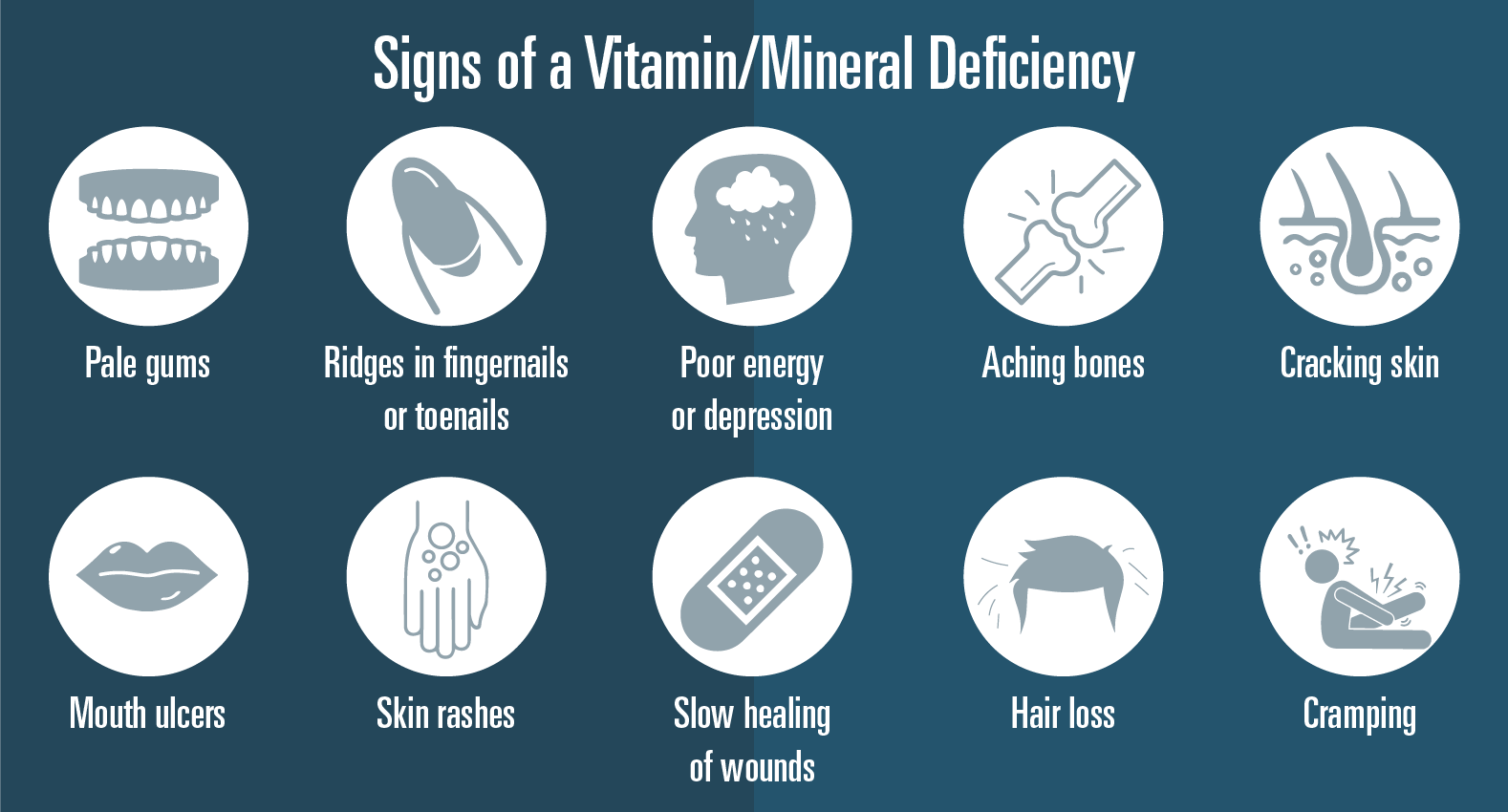
In the short term, vitamin deficiencies can manifest in a myriad of ways:
- Fatigue and Weakness: Feeling constantly tired, even after a good night’s sleep? This could point to a deficiency in iron, vitamin B12, or vitamin D.
- Brain Fog and Difficulty Concentrating: Struggling to focus at work? Low levels of B vitamins or omega-3 fatty acids can impair cognitive function.
- Frequent Colds and Infections: A weakened immune system, often linked to deficiencies in vitamins C, D, and zinc, makes you more susceptible to illness.
- Skin Problems: Dry skin, acne, or brittle nails can signal deficiencies in vitamins A, E, or biotin.
The long-term consequences of insufficient vitamin intake are even more concerning. Chronic deficiencies can contribute to:
- Chronic Diseases: Studies have linked vitamin D deficiency to an increased risk of heart disease, diabetes, and certain types of cancer.
- Osteoporosis: Lack of calcium and vitamin D can weaken bones, increasing the risk of fractures later in life.
- Cognitive Decline: Long-term deficiencies in B vitamins have been associated with an increased risk of dementia and Alzheimer’s disease.
- Increased risk of mental health conditions: Deficiencies in several vitamins can contribute to depression, anxiety, and other mood disorders.
The “But I Eat Healthy!” Argument (And Why It Might Not Be Enough)
Okay, you might be thinking, “I eat plenty of fruits and vegetables. This doesn’t apply to me.” And that’s fantastic! A healthy diet is the cornerstone of good health. However, several factors can still lead to vitamin deficiencies, even in those with seemingly balanced diets:
- Depleted Soil: Intensive farming practices have stripped many soils of essential nutrients, meaning that even fresh produce may contain fewer vitamins and minerals than it did decades ago.
- Processed Foods: Processed foods are often stripped of their natural vitamins and minerals, and then artificially fortified, which may not be as easily absorbed by the body.
- Stress: Stress depletes your body of essential nutrients, including B vitamins and magnesium.
- Medications: Certain medications can interfere with vitamin absorption or increase vitamin excretion.
- Age: As we age, our bodies become less efficient at absorbing nutrients from food.
- Dietary Restrictions: Vegetarian, vegan, and other restricted diets may require careful planning to ensure adequate vitamin intake.
- Underlying Conditions: Certain health conditions can impair nutrient absorption or increase vitamin needs.
So, What Can You Do? Practical Solutions for a Healthier, Vitamin-Rich You
The good news is, you don’t have to be a nutritionist to boost your vitamin intake. Here are some practical, actionable strategies you can implement today:
- Optimize Your Diet: Focus on Whole Foods
This is the foundation of any successful strategy. Prioritize whole, unprocessed foods like fruits, vegetables, whole grains, lean proteins, and healthy fats.
- Example: Instead of reaching for a processed snack bar, grab an apple with a handful of almonds.
- Focus on variety: Eat the rainbow! Different colored fruits and vegetables offer different vitamins and minerals.
- Case Study: Consider the Mediterranean diet, rich in fruits, vegetables, whole grains, and olive oil. Studies have shown that this dietary pattern is associated with lower risks of chronic diseases and improved overall health, partly due to its high vitamin and mineral content.
- Fortify with Smart Supplementation (If Needed)
While food should always be your primary source of vitamins, supplementation can be a helpful tool to fill in the gaps, especially if you have specific dietary restrictions or health concerns.
- Vitamin D: Many people, especially those living in northern climates, are deficient in vitamin D. Consider a supplement, especially during winter months.
- B12: Vegans and vegetarians are at risk of B12 deficiency, as this vitamin is primarily found in animal products. Supplementation is often necessary.
- Omega-3 Fatty Acids: If you don’t eat fatty fish regularly, consider an omega-3 supplement to support brain health and reduce inflammation.
- Important Note:Consult with your doctor or a registered dietitian before starting any new supplement regimen. They can help you determine which vitamins you need and what dosage is appropriate for you. Overdoing it on certain vitamins can be harmful.
- Address Stress and Lifestyle Factors
Remember, stress depletes your body of vitamins. Incorporate stress-reducing activities into your daily routine, such as:
- Exercise: Regular physical activity can help reduce stress and improve nutrient absorption.
- Mindfulness and Meditation: These practices can help you manage stress and improve your overall well-being.
- Adequate Sleep: Prioritize sleep to allow your body to repair and regenerate.
- Hydration: Drink enough water throughout the day. Water is crucial for nutrient absorption and transportation.
- Consider Your Individual Needs
Everyone is different, and vitamin needs can vary based on age, gender, activity level, health conditions, and dietary choices.
- Pregnant and breastfeeding women: Have increased vitamin needs to support their own health and the development of their baby.
- Athletes: May need higher doses of certain vitamins to support muscle recovery and performance.
- Individuals with chronic illnesses: May have specific vitamin deficiencies that need to be addressed.
Alternative Approaches: Exploring Your Options
- Functional Medicine Approach: This approach focuses on identifying and addressing the root causes of health problems, including vitamin deficiencies. A functional medicine practitioner can conduct comprehensive testing to assess your nutrient status and develop a personalized treatment plan.
- Nutritional Therapy: This involves working with a qualified nutritionist to create a customized diet plan that meets your individual vitamin and mineral needs.
- Boosting gut health: As gut health affects nutrient absorption, focusing on improving your gut microbiome through diet and probiotics might help.
Taking Charge of Your Vitamin Intake: A Path to a Healthier Future
Figuring out if you’re getting enough vitamins isn’t about jumping on the latest supplement craze. It’s about taking a proactive, informed approach to your health. By focusing on a whole-food diet, addressing lifestyle factors, considering targeted supplementation (with professional guidance), and understanding your individual needs, you can ensure that your body is getting the vitamins it needs to thrive.
The power to improve your health is in your hands. Don’t let vitamin deficiencies hold you back from living your best life. Start today by making small, sustainable changes to your diet and lifestyle. You’ll be amazed at the positive impact it can have on your energy levels, mood, and overall well-being. You are worth the effort!
“`