

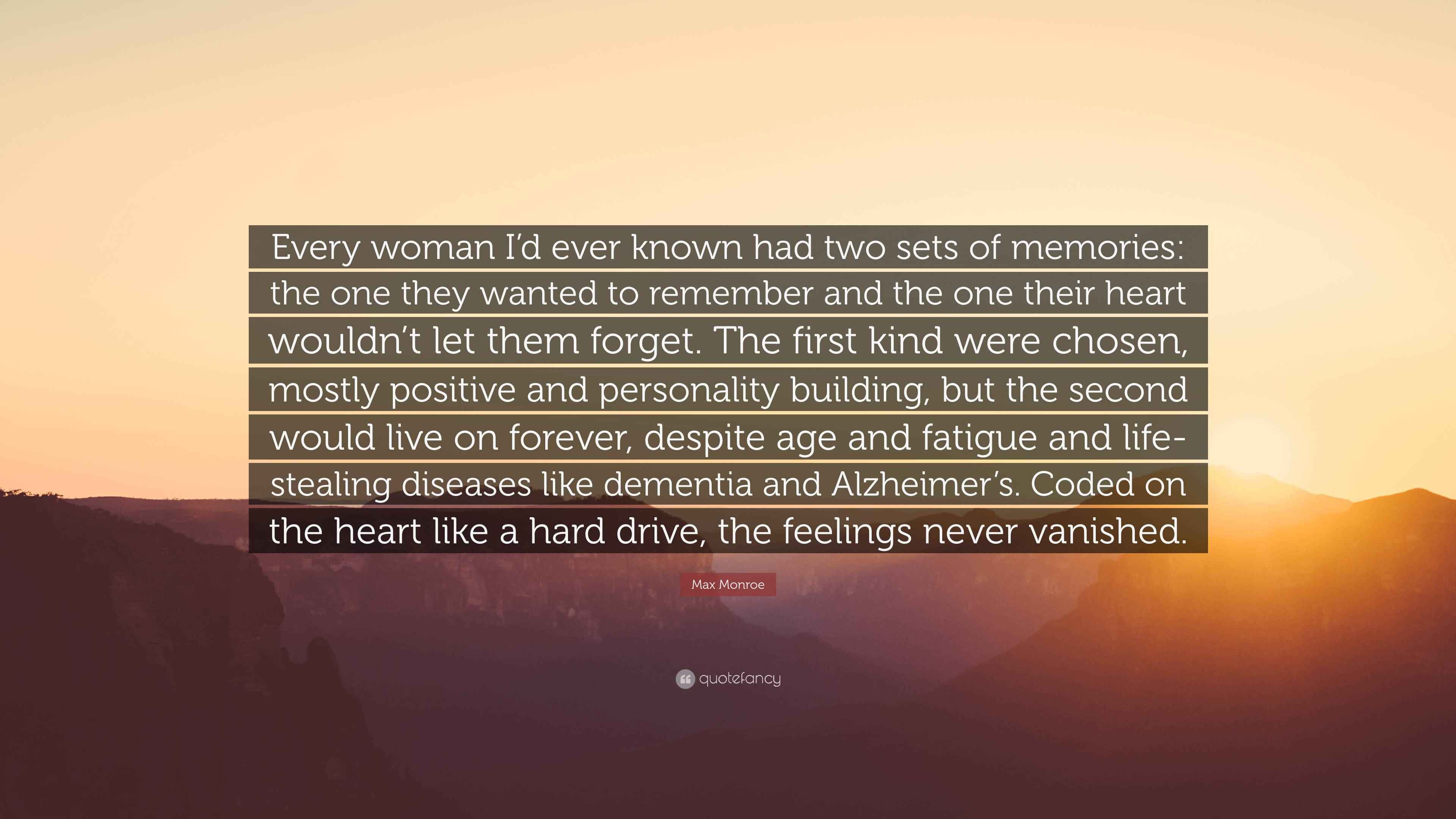
Dementia: Stealing Lives, Silencing Memories
Introduction
Imagine a life where familiar faces blur, cherished memories fade like old photographs, and the very essence of who you are slowly slips away. This is the stark reality for millions living with dementia, a devastating condition that doesn’t just affect the individual, but casts a long shadow over families, friends, and entire communities. It’s a thief in the night, stealing lives and silencing the echoes of yesterday.
Explanation of the Problem
Dementia isn’t a single disease; rather, it’s an umbrella term for a group of symptoms associated with a decline in memory, thinking, and reasoning skills. Alzheimer’s disease is the most common culprit, accounting for around 60-80% of cases, but other forms like vascular dementia, Lewy body dementia, and frontotemporal dementia each have their own distinct characteristics and progression.
But what does this actually *mean* for those affected? Let’s delve into the short-term and long-term impacts, painting a clearer picture of the challenges faced by individuals and their loved ones.
The Immediate Impact: A Daily Struggle
In the short term, dementia disrupts daily life in countless ways. Simple tasks, once performed without a second thought, become monumental challenges. Forgetting recent conversations, misplacing items frequently, struggling to follow instructions, and experiencing difficulty with familiar routines become the new normal.
Think about Sarah, a retired teacher known for her sharp wit and love of gardening. In the early stages of dementia, she started forgetting appointments, mixing up ingredients in her favorite recipes, and getting lost on familiar routes. These seemingly minor incidents were more than just forgetfulness; they were the first signs of a deeper struggle.
The emotional toll is immense. Frustration, anxiety, and feelings of helplessness are common. Individuals may become withdrawn, irritable, or experience mood swings as they grapple with the loss of their cognitive abilities. Maintaining independence becomes increasingly difficult, leading to a reliance on others for even the most basic needs.
The Long Game: A Shifting Landscape
As dementia progresses, the impact deepens. Memory loss becomes more profound, affecting not just recent events, but also long-term memories. Communication becomes challenging, leading to isolation and frustration. Judgement and decision-making are impaired, making individuals vulnerable to scams and exploitation.
Physical abilities can also decline. Difficulty with coordination and balance can increase the risk of falls. Changes in sleep patterns, appetite, and bowel function are common. Eventually, many individuals require round-the-clock care to manage their physical and cognitive needs.
The impact on families is profound. Spouses, children, and other relatives often become caregivers, sacrificing their own time, energy, and financial resources to provide support. The emotional strain can be overwhelming, leading to burnout, depression, and strained relationships.
Consider the story of the Thompson family. John, a successful businessman, watched helplessly as his wife, Mary, a vibrant artist, slowly succumbed to Alzheimer’s. John became her primary caregiver, juggling his work responsibilities with Mary’s increasing needs. Over time, the strain took its toll. He felt isolated, exhausted, and overwhelmed by the constant demands of caregiving.
Solutions
While there’s currently no cure for most forms of dementia, there are numerous strategies that can help manage symptoms, improve quality of life, and ease the burden on caregivers. The key is to adopt a multi-faceted approach that addresses the individual’s specific needs and circumstances.
Here are some practical solutions you can consider:
- Early Diagnosis and Intervention: The earlier dementia is diagnosed, the sooner interventions can be implemented to manage symptoms and slow the progression of the disease. Regular cognitive assessments, especially for individuals over 65 or those with a family history of dementia, are crucial. Medications can help manage symptoms like memory loss, anxiety, and depression.
- Lifestyle Modifications: A healthy lifestyle can play a significant role in protecting brain health and reducing the risk of dementia. Regular exercise, a balanced diet rich in fruits, vegetables, and healthy fats, and adequate sleep are essential. Engaging in mentally stimulating activities, such as puzzles, reading, and learning new skills, can also help keep the brain active. Social interaction and maintaining strong social connections are equally important for cognitive well-being.
- Creating a Supportive Environment: Adapting the home environment to make it safer and more manageable can significantly improve the individual’s quality of life. This might involve removing tripping hazards, installing grab bars in the bathroom, using visual cues to aid memory, and simplifying daily routines.
- Cognitive Therapies and Activities: Cognitive training programs, memory exercises, and reality orientation can help improve cognitive function and maintain existing skills. Engaging in activities that stimulate the senses, such as music therapy, art therapy, and pet therapy, can also be beneficial.
- Caregiver Support: Providing adequate support for caregivers is crucial. This can include respite care, support groups, counseling, and educational resources. Respite care allows caregivers to take a break from their caregiving responsibilities, reducing stress and preventing burnout. Support groups provide a safe space for caregivers to share their experiences, connect with others facing similar challenges, and learn coping strategies.
- Assistive Technology: A range of assistive technology devices can help individuals with dementia maintain independence and safety. These include medication reminders, GPS tracking devices, personal emergency response systems, and smart home devices that can automate tasks and monitor safety.
- Person-Centered Care: This approach emphasizes treating each individual with dignity and respect, focusing on their unique needs, preferences, and values. It involves involving the individual and their family in care planning and decision-making, and providing care that is tailored to their specific circumstances.
- Navigating Legal and Financial Planning: Planning for the future is essential. This includes creating a power of attorney, a healthcare directive, and a will to ensure that the individual’s wishes are respected and their financial affairs are managed appropriately. Consulting with an elder law attorney and a financial advisor can help navigate these complex issues.
Finding the Right Fit: Tailoring Solutions to Individual Needs
The beauty of these solutions lies in their adaptability. Not every approach will work for every individual. It’s about experimenting, observing what works best, and adjusting the plan accordingly.
For instance, if someone enjoys music, incorporating personalized playlists or attending live concerts could be a powerful way to stimulate their memory and boost their mood. If visual cues are helpful, creating a memory board with photos and labels can assist with orientation and recall.
The Thompson family, mentioned earlier, eventually found solace in a local caregiver support group. John learned valuable coping strategies, connected with others who understood his struggles, and discovered respite care options that allowed him to take much-needed breaks. This support network transformed his caregiving experience, enabling him to provide Mary with the best possible care while also preserving his own well-being.
Conclusion
Dementia is a daunting challenge, but it’s not one we have to face alone. By increasing awareness, promoting early detection, and providing comprehensive support, we can make a real difference in the lives of those affected by this devastating condition.
It starts with education. Learn about the signs and symptoms of dementia. Talk to your family and friends about the importance of brain health. Support organizations that are working to find a cure and improve the lives of individuals living with dementia.
It also involves compassion. Be patient, understanding, and respectful when interacting with individuals who have dementia. Offer a helping hand, a listening ear, and a sense of connection.
And finally, it requires action. Advocate for policies and programs that support dementia research, caregiver support, and access to quality care. Donate your time, money, or skills to organizations that are making a difference.
Dementia may steal lives and silence memories, but it doesn’t have to steal hope. By working together, we can create a more supportive and compassionate world for individuals living with dementia and their families. We can ensure that their voices are heard, their stories are remembered, and their lives are filled with dignity and meaning. Let’s turn the tide on this silent thief and illuminate the path towards a brighter future.