

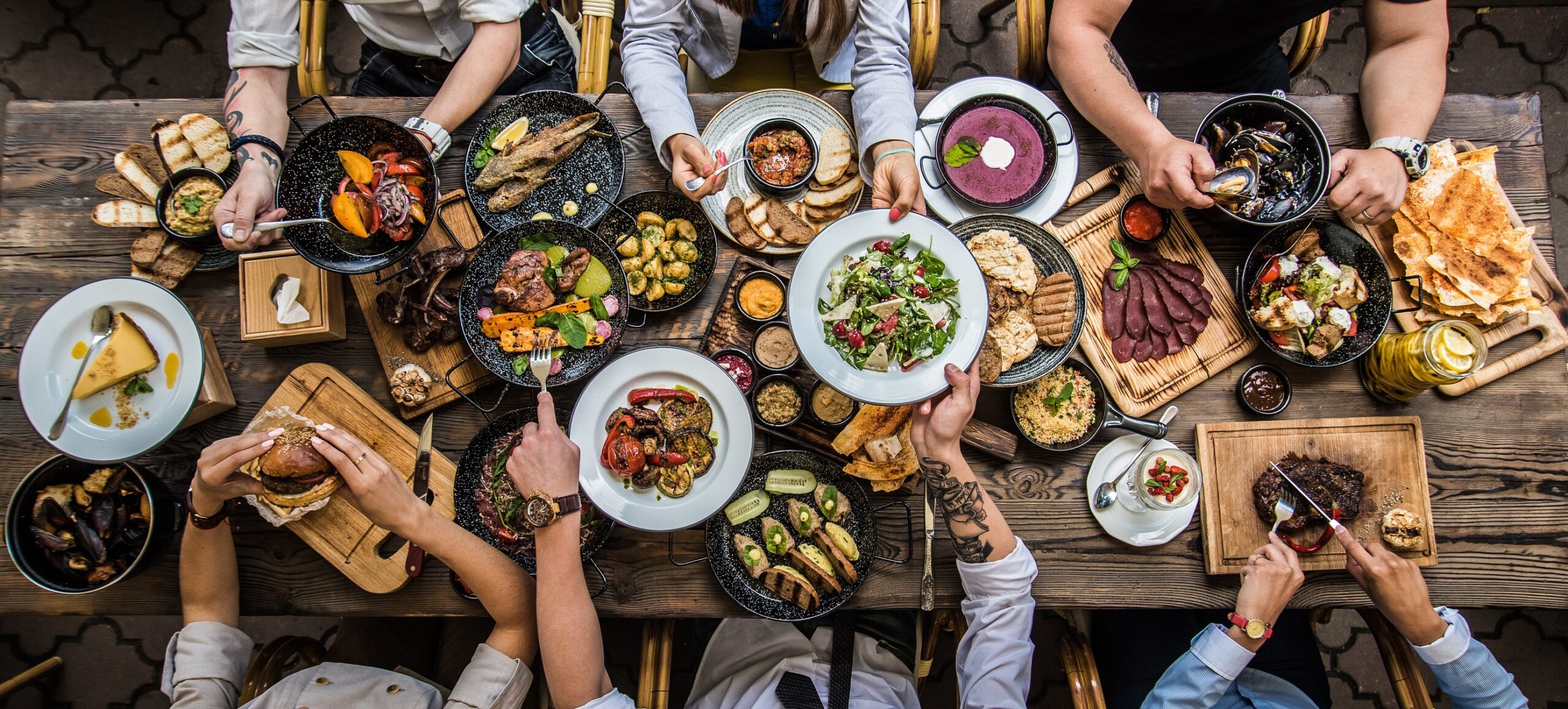
Food: The Universal Language
Introduction
Ever sat across a table from someone who speaks a completely different language and yet, somehow, you connected? Chances are, food played a big part. More than just sustenance, food is the unspoken dialect that bridges cultures, builds friendships, and evokes memories. It’s the universal language we all understand, regardless of our backgrounds. But like any language, it’s evolving, and understanding its nuances is becoming more important than ever.
A Shared Table, A Divided World: The Double-Edged Sword of Food
The beauty of food lies in its ability to bring people together. Sharing a meal is an act of vulnerability, a gesture of trust. Think about it: how many business deals are sealed over lunch? How many family celebrations revolve around a grand feast? Food creates a sense of belonging, a shared experience that transcends verbal communication.
However, this universal language isn’t without its challenges. In the short term, misunderstandings around dietary restrictions, cultural food taboos, or even simple preferences can lead to awkward situations and strained relationships. Imagine accidentally serving pork to a Muslim guest or offering beef to a Hindu friend. These faux pas, while unintentional, can create discomfort and offense.
Looking at the long-term impacts, the story becomes even more complex. The globalization of food has, on one hand, broadened our palates and introduced us to incredible culinary traditions. On the other hand, it’s contributed to the homogenization of diets, the decline of indigenous food systems, and an increased reliance on processed foods laden with unhealthy ingredients. This, in turn, contributes to a host of health problems, from obesity and diabetes to heart disease and certain cancers.
Furthermore, the environmental impact of our food choices is undeniable. Intensive agriculture, deforestation to create farmland, and the transportation of food across continents contribute significantly to greenhouse gas emissions and environmental degradation. The way we speak the language of food is having a profound impact on the planet.
Decoding the Culinary Conversation: Practical Solutions
So, how can we better understand and speak this universal language, fostering connection and promoting well-being? The answer lies in mindful consumption, informed choices, and a willingness to learn and adapt.
Here are a few practical solutions:
- Embrace Culinary Curiosity: Be open to trying new foods and exploring different cuisines. Don’t be afraid to ask questions about the ingredients, preparation methods, and cultural significance of dishes. This shows respect for the culture and allows you to broaden your understanding of the world.
- Example: Instead of sticking to familiar restaurants, try a small, family-owned Ethiopian restaurant. Ask the server about the injera bread and the various stews, and learn about the tradition of eating communally.
- Communicate with Clarity and Empathy: When hosting guests, always inquire about dietary restrictions and preferences. Be mindful of cultural sensitivities and avoid making assumptions. Offer alternatives if necessary, and create a welcoming environment where everyone feels comfortable.
- Example: When inviting friends over for dinner, send out a simple questionnaire asking about allergies, dietary restrictions (vegetarian, vegan, gluten-free, etc.), and any foods they particularly dislike.
- Support Sustainable Food Systems: Make conscious choices to support local farmers, ethical producers, and businesses that prioritize sustainability. This can involve shopping at farmers’ markets, joining a Community Supported Agriculture (CSA) program, or choosing organic and Fair Trade products.
- Case Study: Consider the success of Patagonia Provisions, a company that sources sustainable and regeneratively grown foods. They prioritize environmental responsibility and promote practices that enhance biodiversity and soil health.
- Reduce Food Waste: Food waste is a significant contributor to environmental problems. Plan your meals carefully, store food properly, and get creative with leftovers. Consider composting food scraps to reduce landfill waste.
- Practical Tip: Before going grocery shopping, check what you already have in your fridge and pantry. Plan your meals around those ingredients to avoid buying unnecessary items that might go to waste.
- Learn About Food Traditions: Dive into the history and cultural significance of different foods. Understanding where food comes from and how it’s traditionally prepared can deepen your appreciation and foster a greater sense of connection to the world.
- Example: Research the history of pasta in Italy, the origins of sushi in Japan, or the role of spices in Indian cuisine. This knowledge can enrich your dining experiences and spark interesting conversations.
Alternative Approaches: Tailoring Solutions to Your Life
The beauty of this universal language is that there’s no single right way to speak it. You can tailor your approach to fit your lifestyle and values. Here are a few alternative strategies:
- Mindful Eating: Practice mindful eating to cultivate a deeper connection with your food. Pay attention to the taste, texture, and aroma of each bite. This can help you appreciate the food you’re eating and make healthier choices.
- Grow Your Own Food: Even a small herb garden or a few tomato plants can connect you to the origins of your food and give you a greater appreciation for the work involved in producing it.
- Cooking Classes: Take a cooking class focused on a specific cuisine or dietary approach. This can provide you with practical skills and knowledge that you can use to create delicious and culturally sensitive meals.
Speaking the Language of Hope: A Call to Action
Food: it’s more than just what’s on our plates. It’s a conversation, a connection, a bridge between cultures, and a reflection of our values. By making mindful choices, embracing culinary curiosity, and prioritizing sustainability, we can use this universal language to create a more connected, healthy, and equitable world.
The changes may seem small, but the collective impact can be transformative. One shared meal, one sustainable choice, one conversation at a time, we can redefine our relationship with food and use it to build a brighter future for ourselves and generations to come. The power to speak this language effectively lies within each of us. Let’s use it wisely, compassionately, and with a deep appreciation for the delicious tapestry of cultures it weaves.