

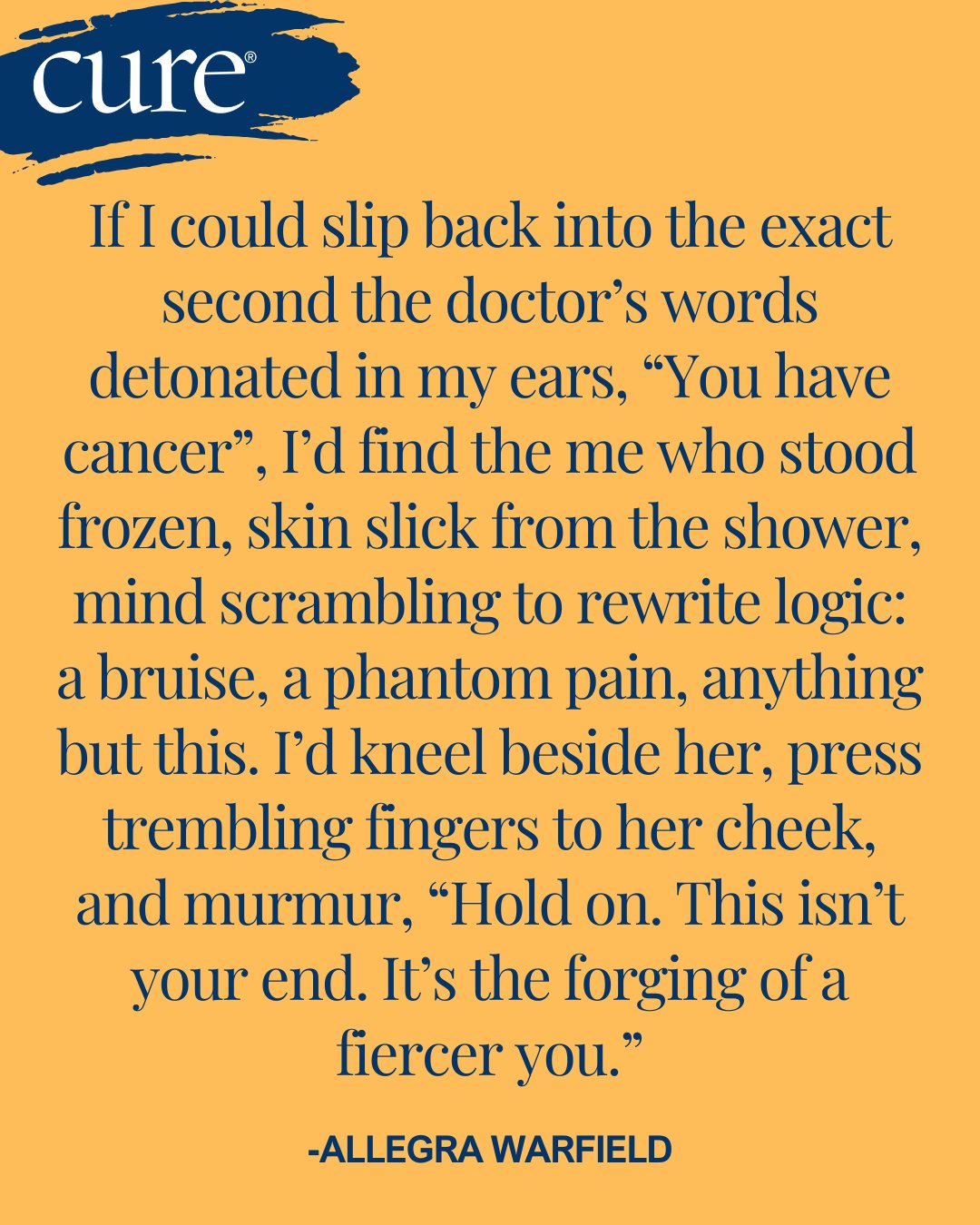
Cancer:Rewrite the Ending
Introduction
We’ve all heard the word.Cancer.It hangs in the air,heavy with unspoken fears and a feeling of helplessness.It touches nearly everyone,either directly or through loved ones.Maybe you’ve watched a family member fight,seen a friend struggle,or even faced it yourself.And while the statistics can be daunting,the narrative doesn’t have to be one of despair.We’re not just passive observers in this story;we can actively participate in rewriting the ending.
For decades,cancer felt like an unbeatable foe.A silent invader that struck seemingly at random,leaving devastation in its wake.While the fight is far from over,significant strides have been made.We’re armed with more knowledge,better technologies,and a growing understanding of this complex disease.
The Ripple Effect:Short-Term and Long-Term Impacts
The immediate aftermath of a cancer diagnosis is often a whirlwind.Anxiety skyrockets,treatment plans become a new,overwhelming reality,and daily life gets disrupted.Financially,families can be strained by medical bills,lost income,and the cost of travel and accommodation.Emotionally,the stress can manifest in strained relationships,depression,and a profound sense of uncertainty.
But the impact extends far beyond the initial diagnosis.In the long term,cancer survivors may grapple with lingering side effects from treatment,such as fatigue,pain,and cognitive challenges.They may face psychological hurdles,including fear of recurrence and a sense of vulnerability.The financial burden can continue for years,impacting savings and future plans.And for families,the experience can leave lasting emotional scars.
Furthermore,the societal impact is enormous.Cancer research requires massive investment,and the loss of productivity due to illness and premature death has significant economic consequences.The healthcare system is constantly challenged to adapt and improve,striving to provide more effective and compassionate care.
Rewriting the Script:Practical Solutions You Can Embrace
The good news is,there are concrete steps we can take,individually and collectively,to change the trajectory of cancer.These aren’t miracle cures,but evidence-based strategies that can significantly reduce risk,improve outcomes,and enhance the quality of life for those affected.
1.Prevention is Power:Taking Control of Your Health
Lifestyle Choices:This is where you have the most direct influence.A healthy diet rich in fruits,vegetables,and whole grains can significantly reduce the risk of many cancers.Regular physical activity is another crucial component.Aim for at least 150 minutes of moderate-intensity or 75 minutes of vigorous-intensity exercise per week.Avoid tobacco use in all its forms.Limit alcohol consumption.And protect yourself from excessive sun exposure.
Example:Take the story of Maria,a 45-year-old who,after seeing her mother battle breast cancer,decided to overhaul her lifestyle.She adopted a Mediterranean diet,started walking regularly,and committed to annual mammograms.She felt empowered and proactive in managing her health.
Vaccinations:Certain vaccines,like the HPV vaccine,can protect against cancers caused by viral infections.Talk to your doctor about recommended vaccinations.
Early Detection Through Screening:Regular screenings can detect cancer in its early stages when it’s often more treatable.Guidelines vary depending on age,gender,and family history,so consult your physician about which screenings are appropriate for you.
2.Empowering Yourself Through Knowledge and Advocacy
Become Informed:Knowledge is power.Learn about cancer risks,symptoms,and treatment options.Reliable sources include the National Cancer Institute (NCI),the American Cancer Society (ACS),and reputable medical websites.
Advocate for Yourself:Don’t be afraid to ask questions and seek second opinions.Your healthcare team should be partners in your care,providing you with clear and understandable information.If something doesn’t feel right,speak up.
Support Research:Funding for cancer research is critical.Consider donating to organizations that are working to develop new treatments and improve outcomes.You can also participate in clinical trials.
Example:Consider the story of David,who actively researched his prostate cancer diagnosis.He joined online support groups,learned about different treatment options,and ultimately chose a less invasive approach based on his research and discussions with his doctor.His informed decision-making empowered him throughout his treatment journey.
3.Navigating Treatment with Resilience and Support
Find a Support System:Cancer can be isolating,but you don’t have to go through it alone.Connect with support groups,online communities,or friends and family members who can provide emotional support.
Integrative Therapies:While not a replacement for conventional medical treatments,integrative therapies like acupuncture,yoga,and meditation can help manage side effects and improve quality of life.
Focus on Self-Care:Prioritize your physical and mental well-being.Get enough sleep,eat nutritious meals,and engage in activities that bring you joy.
Example:Sarah,a breast cancer survivor,found solace and strength in a local support group.Sharing her experiences with others who understood what she was going through helped her cope with the emotional challenges of treatment and recovery.
Alternative Approaches:Tailoring Solutions to Your Needs
There’s no one-size-fits-all approach to cancer.Here are some alternative avenues to explore:
- Genetic Testing:Genetic testing can identify inherited gene mutations that increase cancer risk.This information can help individuals make informed decisions about prevention and screening.
- Personalized Medicine:Personalized medicine tailors treatment to the individual’s unique genetic makeup and tumor characteristics.This approach can lead to more effective and targeted therapies.
- Clinical Trials:Participating in clinical trials can give you access to cutting-edge treatments and contribute to the advancement of cancer research.
Remember,these are just a few examples,and the best approach will depend on your individual circumstances.It’s essential to discuss your options with your healthcare team.
Conclusion:A Future of Hope and Empowerment
Cancer is a formidable adversary,but it’s not invincible.By embracing proactive prevention strategies,empowering ourselves with knowledge,and seeking support,we can rewrite the ending to this story.Research is advancing rapidly,new treatments are emerging,and survival rates are improving.
The power to make a difference lies within each of us.Make informed choices about your health,advocate for yourself and your loved ones,and support the fight against cancer.Together,we can turn the tide and create a future where cancer is no longer a death sentence,but a manageable challenge.Let’s rewrite the ending together – a story of hope,resilience,and ultimately,triumph.The future isn’t predetermined.We can make it one where cancer’s grip loosens,and life flourishes.