

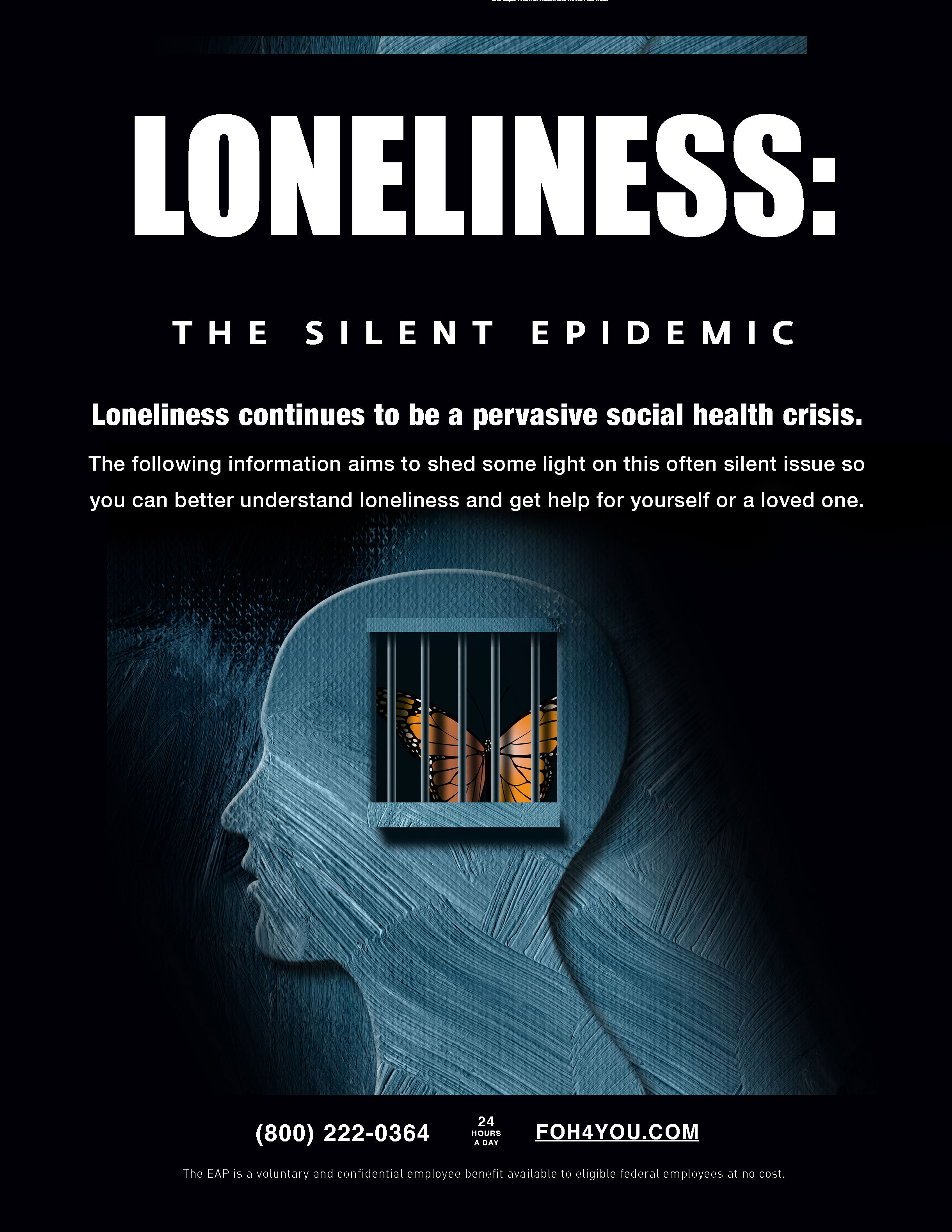
The Silent Epidemic: Are You a Carrier?
Introduction
Ever feel like you’re constantly battling a low-grade fog? Maybe your energy levels are consistently in the basement, or you find yourself snapping at loved ones for no good reason. We all have off days, sure. But what if these “off days” are more connected, more insidious than you think? What if you’re unknowingly contributing to a silent epidemic affecting your life and the lives of those around you?
We’re talking about *stress*.
Yeah, yeah, stress. We hear about it all the time. It’s the background noise of modern life. But dismissing it as just “part of the deal” is a dangerous game. Because while you might think you’re managing okay, chronic, unmanaged stress can be a sneaky carrier of significant short-term and long-term consequences. Are you sure you’re not spreading it?
The Short-Term Impact: A Vicious Cycle
Think about a time you were truly stressed. Maybe you had a looming deadline, a financial worry, or a family crisis. What happened? Chances are, sleep went out the window. Your appetite might have vanished (or maybe you comfort-ate your way through a pizza). Your concentration probably took a nosedive.
These immediate impacts of stress aren’t just inconvenient; they create a vicious cycle. Lack of sleep weakens your immune system, making you more susceptible to illness. Poor diet further depletes your energy and mood. And impaired concentration leads to mistakes, which only fuels more stress. You become a walking, talking stress bomb, potentially detonating on those around you.
Think about how you interact with your family, friends, or colleagues when you’re stressed. Do you become irritable, withdrawn, or overly critical? Are you less patient and understanding? This negativity, this “stress contagion,” can spread like wildfire, impacting relationships and creating tension where there shouldn’t be any.
The Long-Term Fallout: A Slow Burn
The real danger lies in chronic, unmanaged stress. It’s like a slow-burning fire, gradually weakening the foundation of your physical and mental health. Over time, chronic stress can contribute to a host of serious health problems, including:
- Cardiovascular Disease: Stress hormones elevate blood pressure and cholesterol, increasing the risk of heart attacks and strokes.
- Weakened Immune System: Prolonged stress suppresses the immune system, making you more vulnerable to infections and chronic illnesses.
- Mental Health Issues: Chronic stress is a major risk factor for anxiety, depression, and even burnout.
- Digestive Problems: Stress can disrupt your digestive system, leading to issues like irritable bowel syndrome (IBS) and ulcers.
- Chronic Pain: Stress can exacerbate chronic pain conditions like fibromyalgia and back pain.
Furthermore, the social consequences of chronic stress can be devastating. Damaged relationships, strained family dynamics, and decreased productivity at work can all contribute to a lower quality of life. You might even start isolating yourself, further exacerbating the problem.
Breaking the Cycle: Practical Solutions
The good news is that you don’t have to be a victim of this silent epidemic. You can take proactive steps to manage your stress and break the cycle. Here are several practical solutions titanslot88 rtp you can start implementing today:
- Mindfulness and Meditation: This isn’t just for monks and yogis. Even a few minutes of daily mindfulness meditation can significantly reduce stress. Apps like Headspace and Calm offer guided meditations for beginners. Focus on your breath, observe your thoughts without judgment, and gently guide your attention back to the present moment. This practice helps you become more aware of your stress triggers and develop a sense of calm amidst the chaos.
- Example: Maria, a busy marketing executive, started practicing 5 minutes of mindfulness meditation each morning. After a few weeks, she noticed she was less reactive to stressful situations at work and felt more grounded overall.
- Physical Activity: Exercise is a powerful stress reliever. It releases endorphins, which have mood-boosting effects. You don’t need to run a marathon; even a brisk walk, a bike ride, or a dance class can make a difference.
- Example: John, a software engineer struggling with anxiety, started going for a 30-minute walk in the park after work. He found that the exercise helped him clear his head and relax before heading home.
- Prioritize Sleep: Aim for 7-8 hours of quality sleep each night. Create a relaxing bedtime routine, avoid screens before bed, and make sure your bedroom is dark, quiet, and cool.
- Example: Sarah, a single mother juggling work and childcare, realized she was chronically sleep-deprived. She started prioritizing sleep by going to bed and waking up at the same time each day, even on weekends. She also created a relaxing bedtime routine, which included taking a warm bath and reading a book.
- Time Management and Organization: Feeling overwhelmed by your to-do list? Break down large tasks into smaller, more manageable steps. Prioritize your tasks, delegate when possible, and learn to say “no” to commitments that will overextend you.
- Example: David, a project manager, felt constantly overwhelmed by his workload. He started using a time management system to prioritize his tasks and schedule his time more effectively. He also learned to delegate tasks to his team members, which freed up his time and reduced his stress levels.
- Social Connection: Spend time with loved ones, connect with friends, and build strong social support networks. Talking to someone you trust can help you process your emotions and gain a new perspective on your challenges.
- Example: Emily, a recent transplant to a new city, felt isolated and stressed. She joined a local hiking group and started attending weekly book club meetings. She quickly made new friends and found that having a social support network helped her cope with the challenges of adjusting to a new environment.
- Healthy Diet: Nourish your body with whole, unprocessed foods. Limit your intake of sugar, caffeine, and alcohol, as these can exacerbate stress.
- Example: Mark, a college student, noticed his anxiety levels were higher when he consumed a lot of caffeine and sugary drinks. He started replacing these with water, herbal tea, and healthier snacks, and his anxiety levels decreased significantly.
- Seek Professional Help: If you’re struggling to manage your stress on your own, don’t hesitate to seek professional help. A therapist or counselor can provide you with tools and strategies to cope with stress and address underlying issues.
- Example: Lisa, a teacher experiencing burnout, sought therapy and learned cognitive behavioral therapy (CBT) techniques to manage her stress and improve her coping skills.
Finding the Right Fit:
Not every solution works for everyone. Experiment with different approaches and find what resonates with you. Maybe mindfulness feels too “woo-woo,” but a high-intensity workout is your jam. Perhaps you find solace in creative activities like painting or writing. The key is to find strategies that you enjoy and can incorporate into your daily routine.
Take Action, Reclaim Your Life
The silent epidemic of stress doesn’t have to define you. You have the power to break the cycle, protect your health, and improve your well-being. Start small, be patient with yourself, and celebrate your progress along the way.
Take a moment right now to identify one small step you can take today to reduce your stress. Maybe it’s scheduling a 15-minute walk, practicing a brief mindfulness exercise, or reaching out to a friend.
The choice is yours. Are you ready to stop being a carrier of stress and start living a healthier, happier, and more fulfilling life? Your future self will thank you.