

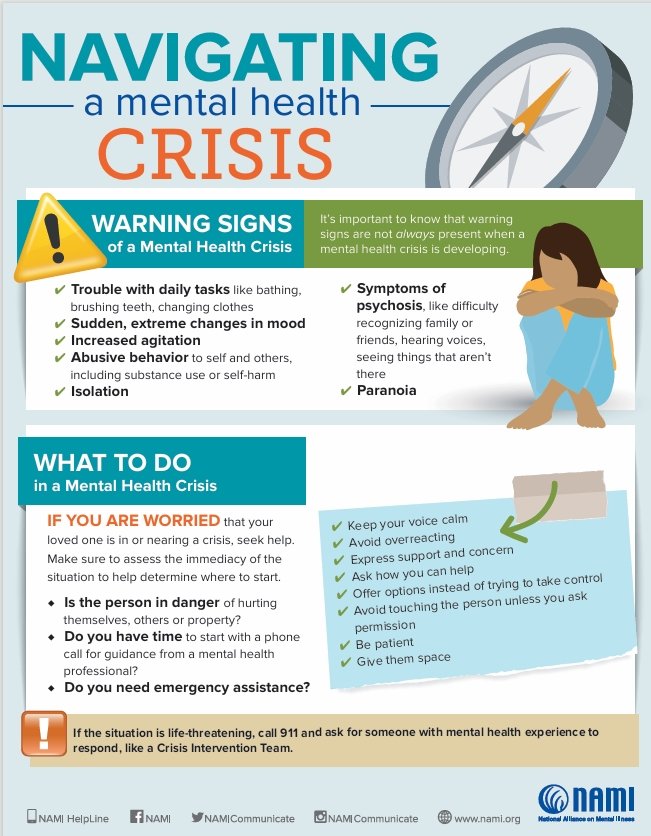
HEALTH CRISIS: Are You Next?
Introduction
Ever feel like you’re walking a tightrope, balancing work, family, and everything in between, all while trying to keep your health in check? You’re not alone. We’re bombarded with information about the next big health scare, the latest superfood, and the miracle workout. But amidst all the noise, it’s easy to lose sight of the fundamentals, and that’s where things can get… precarious.
The truth is, a personal health crisis isn’t always a sudden, dramatic event. More often, it’s a slow burn, a creeping shadow of neglected habits and mounting stress that finally tips the scales. Are you truly prepared for that possibility? Are you proactively building your defenses, or are you simply hoping for the best?
This isn’t about scare tactics; it’s about a reality check. This is about understanding the risks, recognizing the warning signs, and, most importantly, taking control of your well-being before a potential crisis looms. Let’s dive in.
The Short and Long of It: Why Ignoring the Signs is Risky Business
Think of your body as a high-performance machine. It needs regular maintenance, the right fuel, and careful attention. Ignore the warning lights, and you’re heading for a breakdown. Let’s break down the short-term and long-term implications of neglecting your health:
- Short-Term Turbulence: Think of these as the annoying pre-crisis symptoms. Constant fatigue, nagging headaches, persistent digestive issues, and increased susceptibility to colds. These might seem minor, but they are your body’s SOS signals. Ignoring them is like turning up the radio to drown out the sound of a sputtering engine. In the short term, these can affect your productivity, mood, and overall quality of life. You might find yourself calling in sick more often, struggling to concentrate at work, or simply feeling irritable and down.
- Long-Term Storms: This is where things get serious. Unaddressed short-term issues can snowball into chronic conditions like heart disease, type 2 diabetes, autoimmune disorders, and even mental health issues like anxiety and depression. These conditions can significantly impact your lifespan, your ability to work and enjoy life, and your financial stability (think medical bills!). A sedentary lifestyle today could mean a hip replacement in your future. Regularly indulging in sugary drinks now could lead to a diabetes diagnosis down the road. These aren’t just abstract possibilities; they’re real risks that can dramatically alter the course of your life.
So, What Can You Do? Practical Solutions for a Healthier You
Okay, enough doom and gloom. Let’s talk solutions. The good news is that even small changes can have a big impact. It’s about building healthy habits into your daily routine, not about striving for perfection overnight. Here are some practical approaches:
- Nourish Your Body from the Inside Out: This isn’t about fad diets or restrictive eating. Focus on whole, unprocessed foods – fruits, vegetables, lean protein, and whole grains. Aim for a balanced plate at each meal.
- Practical Tip: Start by swapping out one unhealthy snack a day for a healthy one. Instead of a bag of chips, grab an apple with a handful of almonds.
- Case Study: Sarah, a busy marketing executive, struggled with constant fatigue. By simply prioritizing whole foods and reducing processed snacks, she noticed a significant improvement in her energy levels within weeks.
- Move Your Body, Every Day: You don’t need to become a marathon runner. Find activities you enjoy and make them a regular part of your routine. Walking, cycling, swimming, dancing – anything that gets your heart pumping.
- Practical Tip: Schedule 30 minutes of physical activity into your calendar, just like you would any other important appointment. Even a brisk walk during your lunch break counts.
- Case Study: David, a software engineer who spent hours sitting at his desk, started taking short walks every hour. He not only felt more energized but also noticed a reduction in his back pain.
- Prioritize Sleep: Sleep is crucial for physical and mental restoration. Aim for 7-8 hours of quality sleep each night.
- Practical Tip: Create a relaxing bedtime routine. Turn off electronic devices an hour before bed, take a warm bath, or read a book.
- Case Study: Emily, a single mother, struggled with insomnia. By establishing a consistent sleep schedule and creating a relaxing bedtime routine, she improved her sleep quality and reduced her stress levels.
- Manage Stress: Chronic stress can wreak havoc on your health. Find healthy ways to manage stress, such as meditation, yoga, spending time in nature, or talking to a therapist.
- Practical Tip: Practice mindfulness for just 5 minutes a day. Focus on your breath and observe your thoughts without judgment.
- Case Study: Mark, a high-pressure finance executive, found that regular meditation helped him manage his stress and improve his focus at work.
- Hydrate, Hydrate, Hydrate: Water is essential for every bodily function. Aim to drink at least 8 glasses of water a day.
- Practical Tip: Carry a water bottle with you throughout the day and refill it regularly. Set reminders on your phone to drink water.
- Regular Check-Ups are Key: Don’t wait until you’re feeling sick to see a doctor. Regular check-ups can help detect potential health problems early, when they are easier to treat.
- Alternative approaches These include acupuncture, massage therapy, and seeing a chiropractor
Choosing the Right Path for You: A Personalized Approach
The beauty of health is that it’s not a one-size-fits-all approach. What works for one person might not work for another. The key is to experiment, find what resonates with you, and build a sustainable plan that fits your lifestyle.
- Start Small: Don’t try to overhaul your entire life overnight. Focus on making small, incremental changes.
- Be Patient: It takes time to build new habits. Don’t get discouraged if you slip up. Just get back on track as soon as possible.
- Seek Support: Surround yourself with people who support your health goals. Join a fitness class, find a healthy eating buddy, or talk to a therapist.
- Listen to Your Body: Pay attention to your body’s signals. Rest when you’re tired, eat when you’re hungry, and seek medical attention when you need it.
The Power is in Your Hands: A Brighter, Healthier Future
A health crisis isn’t inevitable. It’s a potential outcome that you have the power to influence. By taking proactive steps to improve your health, you can significantly reduce your risk and build a more resilient, vibrant future.
This isn’t about living in fear; it’s about living with awareness and intention. It’s about understanding that your health is your most valuable asset and investing in it wisely.
Start today. Choose one small change that you can implement right now. Maybe it’s drinking an extra glass of water, taking a 10-minute walk, or preparing a healthy meal. Every step you take, no matter how small, moves you closer to a healthier, happier you. The future of your health is in your hands. Embrace the opportunity to create a brighter, more resilient tomorrow. You’ve got this!