

“`html
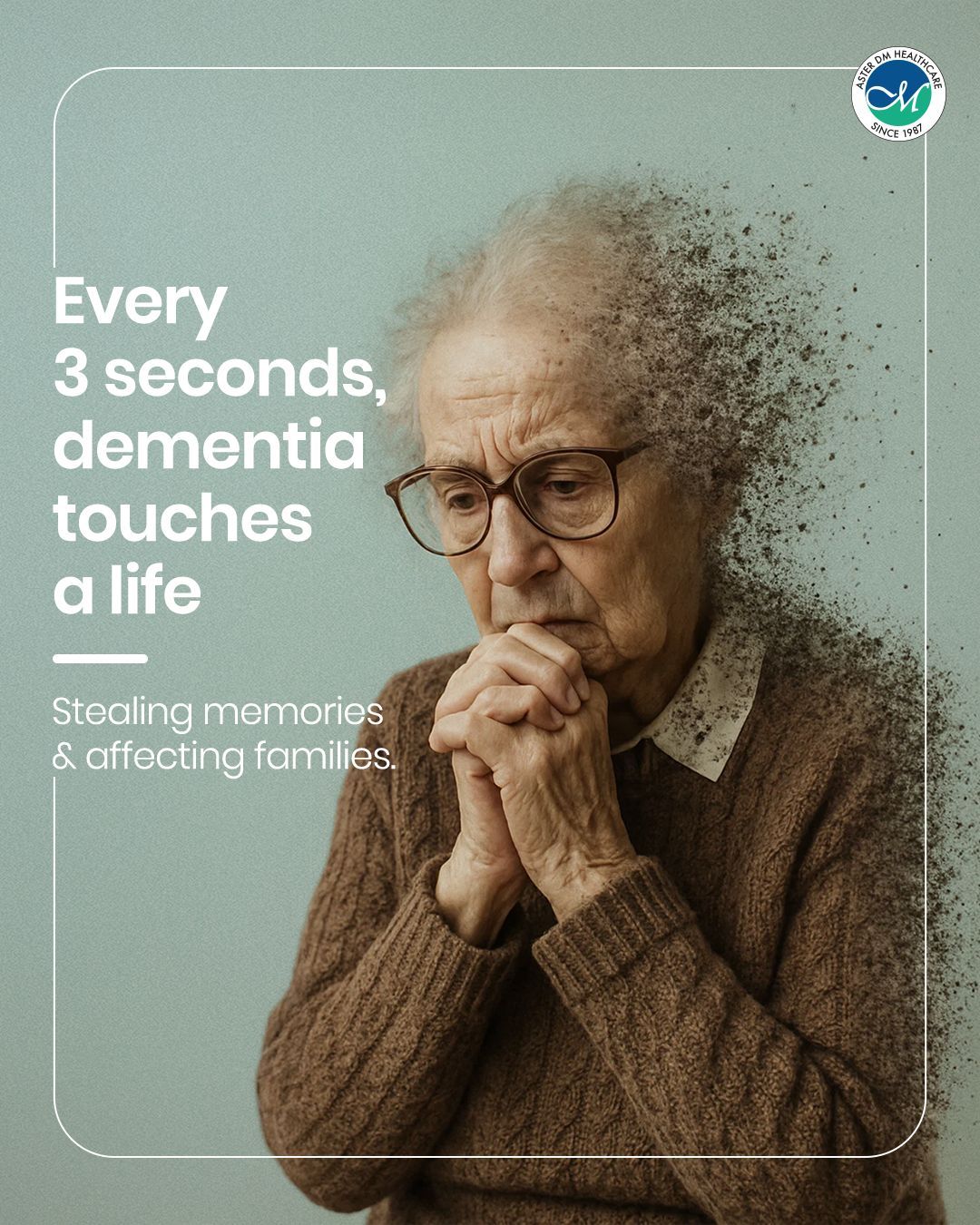
Dementia: Stealing Memories, Shattering Lives
Introduction
Imagine waking up one morning and not recognizing the face in the mirror. Or searching desperately for your keys, only to realize you have no idea where you usually keep them. Now imagine this happening more and more frequently, the gaps in your memory widening, the familiar becoming alien. This is the chilling reality of dementia, a condition that doesn’t just steal memories, but slowly chips away at the very essence of a person, shattering lives in its wake.
Explanation of the Problem
Dementia isn’t a single disease, but an umbrella term encompassing a range of conditions that cause a progressive decline in cognitive function. Alzheimer’s disease is the most common culprit, but vascular dementia, Lewy body dementia, and frontotemporal dementia are also significant contributors. Regardless of the specific type, the impact is devastating, affecting not only the individual diagnosed but also their families, friends, and communities.
The Immediate Impact: A World Turned Upside Down
The short-term effects of dementia can be disorienting and frightening. Simple tasks like cooking a meal, managing finances, or even dressing oneself become monumental challenges. Individuals may experience:
- Memory lapses: Forgetting recent events, names, or appointments becomes commonplace. The constant frustration of struggling to recall information can lead to anxiety and agitation.
- Communication difficulties: Finding the right words becomes a struggle, leading to awkward silences and misunderstandings. Following conversations becomes exhausting, resulting in social withdrawal.
- Confusion and disorientation: Getting lost in familiar places, misinterpreting situations, and experiencing a sense of unreality can be deeply unsettling.
- Personality changes: Irritability, mood swings, and increased anxiety are common. Individuals may become withdrawn, suspicious, or even aggressive.
These immediate effects significantly impact the individual’s ability to live independently, often requiring increased support from family members or caregivers. The shift in roles can be difficult to navigate, creating stress and strain on relationships. Imagine a child becoming a parent to their own parent – the emotional burden can be overwhelming.
The Long-Term Impact: A Gradual Erosion of Identity
As dementia progresses, the long-term impacts become even more profound. The condition slowly erodes a person’s identity, stripping away their independence, their relationships, and their sense of self.
- Loss of Independence: As cognitive function declines, individuals become increasingly reliant on others for assistance with daily living activities. This loss of independence can be deeply demoralizing, leading to feelings of helplessness and frustration.
- Strain on Relationships: Dementia significantly alters family dynamics. Spouses may struggle to provide the necessary care while also grieving the loss of their partner. Children may face difficult decisions about their parent’s care, balancing their own lives with the demands of caregiving.
- Financial Burden: The cost of dementia care can be substantial, including medical expenses, home care services, and assisted living facilities. This financial burden can strain families and deplete savings.
- Emotional Toll: Witnessing a loved one decline from dementia is emotionally draining. Caregivers often experience feelings of grief, guilt, anger, and exhaustion. The constant demands of caregiving can lead to burnout and isolation.
The long-term impact of dementia is not only a personal tragedy but also a significant societal challenge. As the global population ages, the number of individuals living with dementia is expected to rise dramatically, placing a growing strain on healthcare systems and social services.
Solutions
While there is currently no cure for dementia, there are many practical steps that can be taken to manage the symptoms and improve the quality of life for individuals living with the condition and their caregivers.
- Early Diagnosis and Intervention: Early detection is crucial. If you suspect you or a loved one may be experiencing cognitive decline, seek a professional medical evaluation. Early diagnosis allows for the implementation of strategies to manage symptoms and slow the progression of the disease. Medications can sometimes help manage cognitive symptoms, while therapies like occupational therapy and speech therapy can help maintain function and communication skills.
- Example: A 68-year-old woman noticed increasing difficulty remembering appointments. Her doctor diagnosed early-stage Alzheimer’s and started her on medication. While it didn’t stop the progression, it helped her maintain cognitive function for longer, allowing her more time to enjoy her hobbies and spend quality time with her family.
- Creating a Supportive Environment: Modifying the living environment can significantly improve safety and independence.
- Simplify the surroundings: Reduce clutter and remove hazards that could lead to falls.
- Use visual cues: Label drawers and cabinets with clear, easy-to-understand labels. Use photographs to identify people and places.
- Establish routines: Maintain a consistent daily schedule to provide structure and reduce anxiety.
- Ensure adequate lighting: Good lighting can improve orientation and reduce confusion.
- Communication Strategies: Effective communication is essential for maintaining connection and reducing frustration.
- Speak slowly and clearly: Use simple language and avoid complex sentences.
- Maintain eye contact: This helps to establish connection and attention.
- Listen actively: Pay attention to both verbal and nonverbal cues.
- Be patient and understanding: Allow plenty of time for responses and avoid interrupting.
- Engaging Activities: Meaningful activities can help maintain cognitive function, promote social engagement, and improve mood.
- Reminiscence therapy: Encourage individuals to share memories and stories from their past. This can be a powerful way to connect with their identity and maintain a sense of purpose.
- Creative arts: Activities like painting, music, and dance can provide opportunities for self-expression and emotional release.
- Physical exercise: Regular physical activity can improve cognitive function, reduce anxiety, and promote overall well-being. Even simple activities like walking or gardening can be beneficial.
- Social activities: Encourage participation in social events and activities to combat isolation and maintain social connections.
- Caregiver Support: Caregivers need support too. The demands of caregiving can be overwhelming, so it’s essential to seek help and support from family, friends, and community resources.
- Join a support group: Connecting with other caregivers can provide emotional support, practical advice, and a sense of community.
- Respite care: Take advantage of respite care services to get a break from caregiving responsibilities. This can help prevent burnout and maintain your own well-being.
- Seek professional counseling: Talking to a therapist or counselor can help you cope with the emotional challenges of caregiving.
- Delegate tasks: Don’t be afraid to ask for help with tasks like cooking, cleaning, or transportation.
- Technological Aids: Technology can play a supportive role in managing dementia. Devices like GPS trackers can help locate individuals who wander, while medication dispensers can ensure medication adherence. Reminder apps can help with appointments and tasks.
Alternative Approaches: A Holistic Perspective
Beyond conventional medical treatments, several alternative approaches may offer additional benefits for individuals living with dementia:
- Diet and Nutrition: A healthy diet rich in fruits, vegetables, and omega-3 fatty acids can support brain health. Limiting processed foods, sugar, and saturated fats may also be beneficial. Studies show the Mediterranean diet, rich in whole foods, has shown promise in supporting brain health.
- Mindfulness and Meditation: Practicing mindfulness and meditation can help reduce stress, improve mood, and enhance cognitive function. These techniques can also help individuals cope with the anxiety and frustration associated with dementia.
- Aromatherapy: Certain essential oils, such as lavender and rosemary, have been shown to have calming and memory-enhancing properties. Aromatherapy can be used to create a relaxing and stimulating environment.
- Pet Therapy: Interaction with animals can provide emotional comfort, reduce anxiety, and promote social interaction. Pet therapy can be particularly beneficial for individuals who are isolated or withdrawn.
Conclusion
While dementia presents significant challenges, it’s important to remember that there is hope. Ongoing research is leading to a better understanding of the disease, and new treatments are on the horizon. By focusing on early diagnosis, creating supportive environments, and embracing holistic approaches, we can improve the quality of life for individuals living with dementia and their caregivers.
Don’t let dementia define a person. Every individual, regardless of their cognitive abilities, deserves to be treated with dignity, respect, and compassion. By taking action and advocating for better care and support, we can create a more inclusive and understanding society for those living with this devastating condition. Let’s work together to steal back what dementia tries to take away: dignity, joy, and meaningful connection. Start today by educating yourself, reaching out to a loved one, or supporting a local organization dedicated to dementia research and care. Every small step makes a difference.
“`