

Silent Epidemics: Are We Ignoring the Real Killers?
Introduction
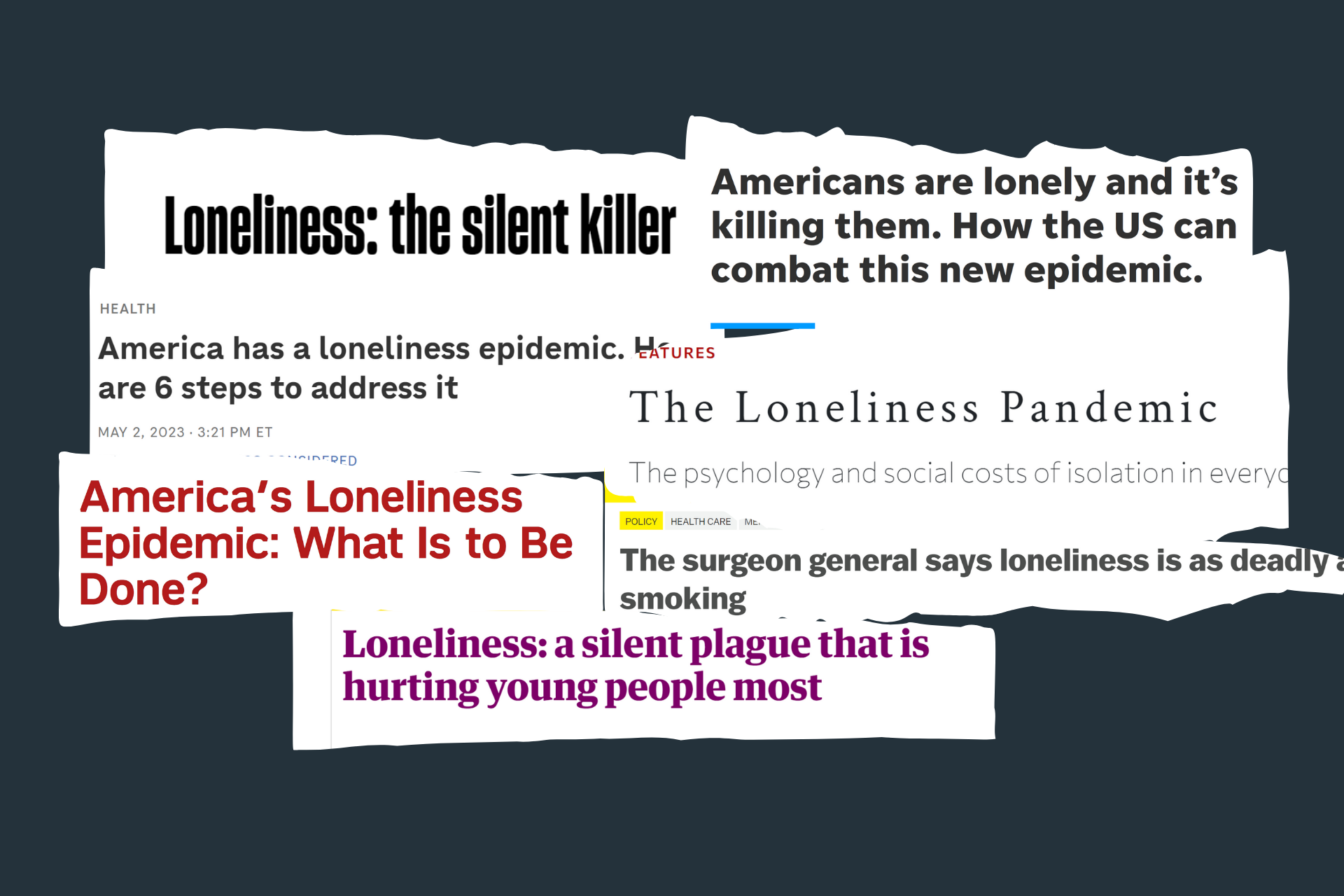
We’re bombarded with headlines about the latest viral outbreak, the newest superbug threat, and the looming dangers of emerging infectious diseases. It’s easy to get swept up in the fear, especially when the news cycle thrives on dramatic narratives. But what if the real killers aren’t the ones making the headlines? What if some of the most devastating health crises are lurking in the shadows, silently chipping away at our well-being, and we’re barely paying attention?
Think of it this way: a highly contagious virus can spread rapidly, causing immediate panic and drawing massive resources for containment and treatment. Now, imagine something far more insidious, something that develops slowly, often without obvious symptoms, and slowly steals away years of healthy life. These are the silent epidemics, and they demand our urgent attention.
Explanation of the Problem
We’re talking about conditions like chronic stress, social isolation, poor nutrition, and lack of physical activity. These might not sound as dramatic as a pandemic, but their impact is profound, far-reaching, and tragically, often preventable. They silently contribute to a host of serious health problems, including heart disease, type 2 diabetes, mental health disorders, and even certain cancers.
The Short-Term Pain, the Long-Term Drain
Let’s break down the immediate and long-term consequences. In the short term, these silent epidemics manifest as everyday struggles: persistent fatigue, difficulty concentrating, increased susceptibility to infections, mood swings, and difficulty sleeping. These are the warning signs, the body’s subtle cries for help. We often dismiss them as “just stress” or “a phase,” failing to recognize them as indicators of deeper underlying issues.
But the long-term consequences are far more dire. Unmanaged stress can lead to chronic inflammation, which is a major risk factor for heart disease and autoimmune disorders. Social isolation, particularly in older adults, is linked to cognitive decline and increased risk of mortality. Poor nutrition, fueled by processed foods and sugary drinks, sets the stage for obesity, type 2 diabetes, and a cascade of related complications. And a sedentary lifestyle, combined with these other factors, accelerates the aging process and increases vulnerability to a range of chronic illnesses.
The economic burden is equally staggering. The cost of treating chronic diseases associated with these lifestyle factors is enormous, straining healthcare systems and impacting national productivity. Lost workdays, increased disability claims, and the need for long-term care all contribute to a significant financial drain on individuals, families, and society as a whole.
Solutions
The good news is that unlike many infectious diseases, we have the power to address these silent epidemics through proactive lifestyle changes and community-level interventions. It’s not about finding a magical cure; it’s about building healthier habits and creating supportive environments. Here are a few practical solutions:
- Prioritize Stress Management:
- Mindfulness and Meditation: Even 10 minutes of daily meditation can significantly reduce stress levels and improve mental clarity. Apps like Headspace and Calm offer guided meditations for beginners.
- Time Management Techniques: Learn to prioritize tasks, delegate when possible, and set realistic goals. The Pomodoro Technique (working in focused 25-minute intervals with short breaks) can boost productivity and reduce feelings of overwhelm.
- Deep Breathing Exercises: Simple breathing techniques, like diaphragmatic breathing, can quickly calm the nervous system and reduce anxiety.
- Combat Social Isolation:
- Join Community Groups: Participate in local clubs, volunteering activities, or hobby groups to connect with like-minded individuals.
- Reconnect with Old Friends: Reach out to friends and family members you haven’t spoken to in a while. A simple phone call or a coffee date can make a big difference.
- Embrace Technology: Use social media and video calls to stay connected with loved ones who live far away. However, be mindful of excessive social media use, which can sometimes exacerbate feelings of isolation.
- Nourish Your Body with Whole Foods:
- Focus on Fruits, Vegetables, and Whole Grains: Aim to fill half your plate with fruits and vegetables at each meal. Choose whole grains like brown rice, quinoa, and oats over refined grains like white bread and pasta.
- Limit Processed Foods, Sugary Drinks, and Unhealthy Fats: Read food labels carefully and be aware of hidden sugars and unhealthy ingredients. Cook meals at home more often, using fresh, whole ingredients.
- Hydrate Regularly: Drink plenty of water throughout the day to stay hydrated and support overall health.
- Get Moving! Embrace Physical Activity:
- Find an Activity You Enjoy: Whether it’s dancing, hiking, swimming, or gardening, find a physical activity that you find enjoyable and that you can stick with long-term.
- Aim for at Least 30 Minutes of Moderate-Intensity Exercise Most Days of the Week: This could include brisk walking, jogging, cycling, or swimming.
- Incorporate Movement into Your Daily Routine: Take the stairs instead of the elevator, walk or bike to work, or take short breaks to stretch and move around throughout the day.
Case Studies: Inspiration in Action
- The Blue Zones Project: This initiative focuses on identifying regions around the world where people live significantly longer and healthier lives. By studying their lifestyle habits (diet, social connections, physical activity, purpose), the project aims to replicate these practices in other communities.
- Corporate Wellness Programs: Many companies are now implementing wellness programs that promote healthy eating, physical activity, and stress management among their employees. These programs have been shown to improve employee health, reduce healthcare costs, and increase productivity.
- Community Gardens: These initiatives provide opportunities for people to grow their own food, connect with neighbors, and engage in physical activity. Community gardens promote healthy eating habits, reduce social isolation, and improve overall community well-being.
Choose Your Path to Wellness
There’s no one-size-fits-all solution when it comes to tackling these silent epidemics. The key is to find the strategies that work best for you and your lifestyle. Here are some alternative approaches to consider:
- Professional Guidance: Consult with a doctor, registered dietitian, therapist, or personal trainer to develop a personalized plan for improving your health and well-being.
- Support Groups: Join a support group for people dealing with similar challenges, such as chronic stress, anxiety, or depression. Sharing experiences and receiving support from others can be incredibly helpful.
- Holistic Approaches: Explore alternative therapies like acupuncture, yoga, or massage therapy, which can help to reduce stress, improve sleep, and promote overall well-being.
Conclusion
The silent epidemics are real, and their impact is devastating. But we are not powerless. By making conscious choices to prioritize our health, build strong social connections, and create supportive communities, we can silence these threats and pave the way for a healthier, happier future.
It starts with awareness, followed by action. Let’s commit to making small, sustainable changes in our own lives and advocating for policies that promote health and well-being for all. The time to break the silence is now. Let’s work together to create a world where everyone has the opportunity to thrive.