

“`html
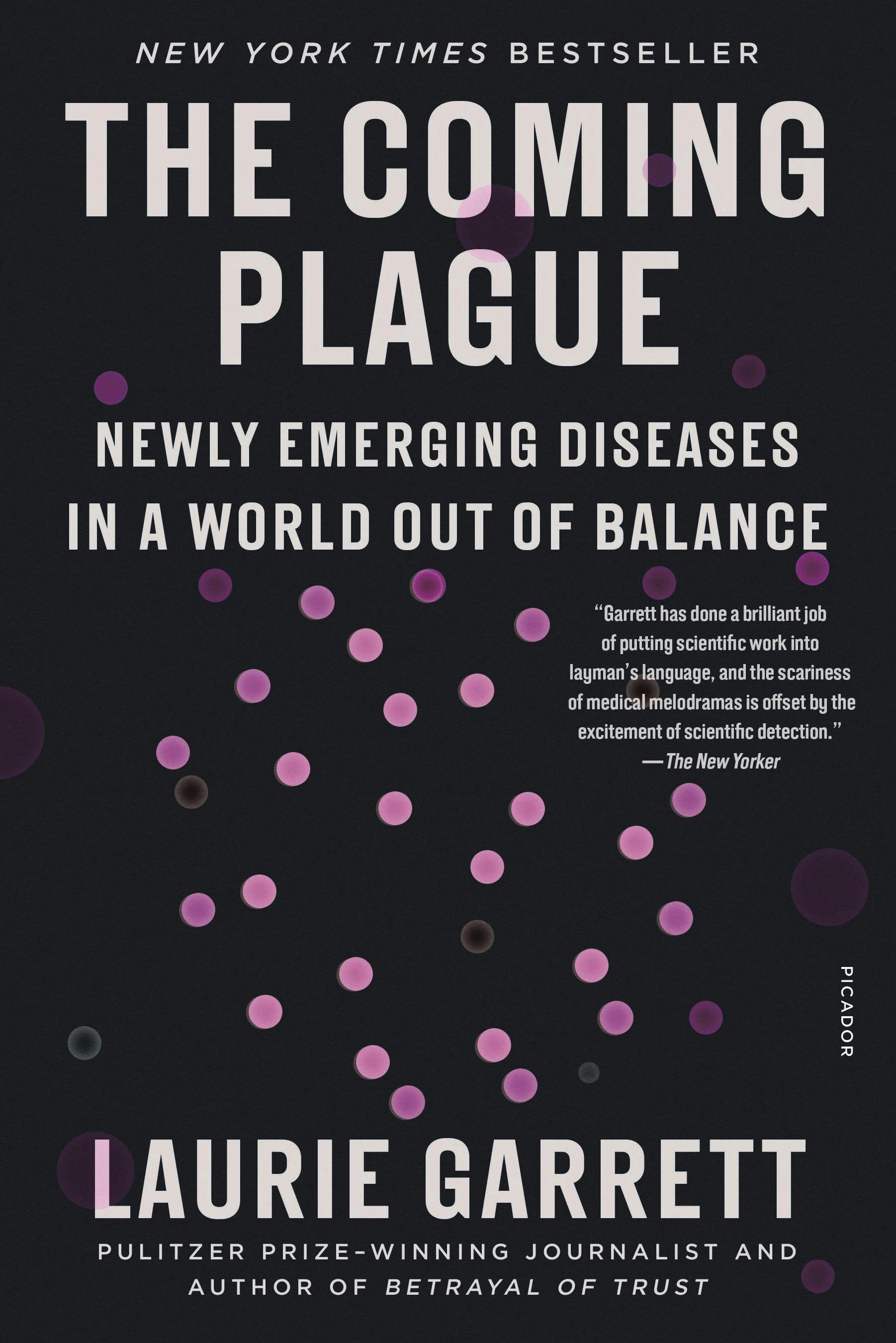
The Coming Plague: Are We Ready?
Introduction
Remember 2020? The empty shelves, the constant hand-washing, the existential dread hanging thicker than the fog? We’d all like to forget it, but the truth is, that experience wasn’t just a blip. It was a stark warning, a dress rehearsal for what many experts believe is an almost inevitable future: a future punctuated by increasingly frequent and potentially devastating pandemics. The question isn’t if another plague will come, but when, and more importantly, are we ready?
Let’s be clear, this isn’t about fear-mongering. It’s about pragmatic preparedness. We’ve seen the devastation a novel virus can unleash, and ignoring the lessons learned would be a colossal mistake. This article isn’t about doomsday scenarios; it’s about empowering you with the knowledge and tools to navigate the challenges ahead, both personally and collectively.
Short-Term Pain, Long-Term Scars:
The immediate impacts of a pandemic are obvious: overwhelmed healthcare systems, economic disruption, and tragically, loss of life. But the long-term consequences are often overlooked. Think about the mental health crisis spurred by lockdowns and isolation. Consider the learning gaps created by school closures, impacting a generation of students. And what about the economic inequalities exacerbated by job losses and business closures, hitting vulnerable communities the hardest?
The COVID-19 pandemic exposed deep fissures in our global systems. Supply chains buckled under pressure, showcasing our dependence on a fragile network. Misinformation spread like wildfire online, eroding trust in institutions and fueling social division. And the uneven distribution of vaccines highlighted the stark inequalities in global healthcare access.
Ignoring these cracks in our foundation is akin to building a house on shifting sand. We need to address these vulnerabilities now, before the next crisis arrives.
So, What Can We Do? Practical Solutions for a Pandemic-Prepared Future:
The good news is, we’re not powerless. Proactive measures, implemented at individual, community, and global levels, can significantly mitigate the impact of future pandemics. Here are a few practical approaches:
1. Personal Preparedness: Taking Control of Your Well-being:
This isn’t about hoarding toilet paper (though having a reasonable supply of essentials is never a bad idea). It’s about building resilience and taking control of your own health and well-being.
- Strengthen Your Immune System: This is a long-term strategy, not a last-minute scramble. Focus on a balanced diet rich in fruits and vegetables, regular exercise, sufficient sleep, and stress management techniques. Consider supplements like Vitamin D, especially during winter months, after consulting with your doctor.
- Develop a Home Emergency Plan: Create a family communication plan, identify emergency contacts, and assemble a basic emergency kit with essential supplies like food, water, medications, and a first-aid kit. Practice your plan regularly.
- Stay Informed, Stay Critical: Rely on credible sources of information, such as public health organizations like the WHO and CDC. Be wary of social media misinformation and learn to critically evaluate the information you consume.
- Invest in Your Mental Health: Develop coping mechanisms for stress and anxiety. Practice mindfulness, meditation, or other relaxation techniques. Know when to seek professional help if you’re struggling.
2. Community Resilience: Building Stronger Local Networks:
Pandemics aren’t just individual challenges; they’re community-wide events. Building strong local networks can provide vital support during a crisis.
- Strengthen Local Healthcare Infrastructure: Advocate for increased funding and resources for local hospitals, clinics, and public health departments. Support community-based healthcare initiatives.
- Foster Social Connections: Get involved in local community organizations, volunteer your time, and build relationships with your neighbors. Strong social connections provide vital emotional support during times of crisis.
- Support Local Businesses: Small businesses are the backbone of our communities. Support them during good times and bad. They provide essential goods and services and create jobs.
- Promote Health Literacy: Support initiatives that promote health literacy in your community, empowering individuals to make informed decisions about their health.
Case Study: The Power of Community Gardens: During the COVID-19 pandemic, community gardens provided a vital source of fresh food for vulnerable populations. They also served as a safe space for social interaction and connection, combating isolation and promoting mental well-being.
3. Global Collaboration: Strengthening International Pandemic Response:
Pandemics don’t respect borders. A coordinated global response is essential to prevent and contain outbreaks.
- Invest in Global Surveillance Systems: Strengthening global disease surveillance systems is crucial for early detection and response. This requires increased funding and international cooperation.
- Promote Equitable Vaccine Access: Ensuring equitable access to vaccines for all countries is essential to protect vulnerable populations and prevent the spread of disease.
- Support Research and Development: Investing in research and development of new vaccines and treatments is crucial for staying ahead of emerging threats.
- Strengthen International Health Regulations: Enforce and strengthen international health regulations to ensure that countries are prepared to detect and respond to outbreaks.
Alternative Approaches: Tailoring Solutions to Your Circumstances:
The solutions outlined above are not one-size-fits-all. Here are a few alternative approaches to consider, depending on your situation:
- For Those With Limited Resources: Focus on low-cost, high-impact interventions like practicing good hygiene, staying informed, and building strong social connections.
- For Those With Underlying Health Conditions: Consult with your doctor about additional precautions you should take to protect your health.
- For Those With Caregiving Responsibilities: Develop a backup plan in case you become ill or need to isolate.
- For Community Leaders: Advocate for policies and programs that promote pandemic preparedness in your community.
Conclusion: Turning Fear into Action:
The prospect of another pandemic can be daunting, but it doesn’t have to be paralyzing. By taking proactive steps to prepare, we can build a more resilient future for ourselves, our communities, and the world.
Remember, preparedness isn’t about living in fear; it’s about empowering ourselves to face challenges with confidence and resilience. It’s about building stronger communities, investing in our health, and advocating for policies that protect us all.
The next plague may be coming, but with knowledge, preparation, and collaboration, we can face it head-on, not with dread, but with a sense of hope and determination. Let’s use the lessons learned from the past to build a more resilient and prepared future for all. The time to act is now. Let’s get ready.
“`