

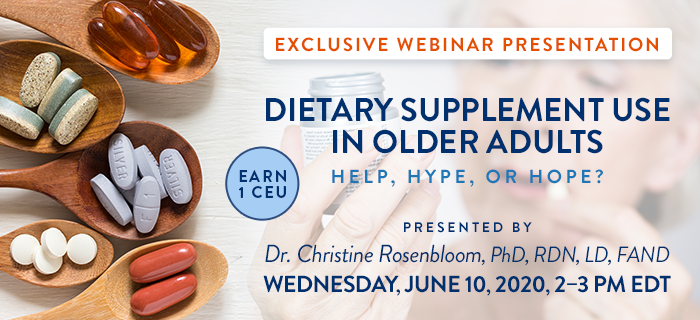
Supplements: Hype or Hope?
Introduction
Ever find yourself wandering down the supplement aisle, bombarded by promises of enhanced energy, boosted immunity, and even a younger-looking you? It’s a dizzying landscape of powders, pills, and potions, each claiming to be the magic bullet you’ve been searching for. But let’s be honest, the question lingering in the back of everyone’s mind is: are supplements truly the key to unlocking optimal health, or are we just buying into cleverly marketed hype?
We’ve all been there. Maybe you’re trying to pack on muscle, shed those stubborn pounds, or simply feel less sluggish after a long day. The allure of a quick fix is powerful, and the supplement industry knows it. But before you empty your wallet on the latest trend, let’s unpack the realities of supplements, separating the legitimate benefits from the overblown promises.
The Short-Term Sizzle vs. The Long-Term Struggle
The immediate appeal of supplements is undeniable. A pre-workout promising an explosive gym session, a sleep aid guaranteeing restful slumber, or a “detox” tea claiming to flush away toxins – these promises target our desire for instant gratification. In the short term, some supplements *can* provide a noticeable boost. Caffeine, for example, can temporarily enhance alertness and focus. Creatine can improve strength and power output during exercise. However, these effects are often short-lived and don’t address the underlying issues.
The real problem arises when we rely on supplements as a crutch, neglecting the foundational pillars of good health: a balanced diet, regular exercise, and sufficient sleep. Over time, this reliance can lead to a host of problems.
- Nutrient Deficiencies: Relying on a multivitamin instead of consuming a variety of whole foods can mask underlying nutrient deficiencies. Real food provides a complex matrix of vitamins, minerals, antioxidants, and fiber that work synergistically, a complexity impossible to replicate in a pill.
- False Sense of Security: Taking supplements might give you a false sense of security, leading you to believe you’re “covered” and allowing unhealthy habits to persist. You might think you can get away with eating processed foods if you’re taking a multivitamin, but that’s a dangerous misconception.
- Potential Health Risks: Some supplements, especially those from unregulated sources, can contain harmful ingredients or interact negatively with medications. The lack of strict regulation means you’re often taking a leap of faith, potentially putting your health at risk.
- The “Placebo Effect”: It is an interesting phenomenon. When people believe something will improve their health, their symptoms may decrease, or their feelings about their health may shift.
Navigating the Supplement Maze: Practical Solutions
So, how do we navigate the confusing world of supplements responsibly? Here are several approaches you can use to determine if supplements are right for you.
1. The “Food First” Philosophy:
This should be your guiding principle. Prioritize a whole-foods diet rich in fruits, vegetables, lean protein, and healthy fats. Before considering supplements, assess your diet. Are you consistently eating a variety of nutrient-dense foods? Are you meeting your daily requirements for essential vitamins and minerals? If not, start there.
- Example: Instead of reaching for a Vitamin C supplement, focus on incorporating citrus fruits, berries, and leafy greens into your daily meals.
- Case Study: A study published in the “American Journal of Clinical Nutrition” found that individuals who consumed a diet rich in fruits and vegetables had a significantly lower risk of chronic diseases compared to those who relied on supplements.
2. Identify Specific Needs and Seek Expert Advice:
Don’t self-diagnose. If you suspect you have a nutrient deficiency or are experiencing specific health issues, consult with a qualified healthcare professional or registered dietitian. They can conduct appropriate testing and recommend personalized strategies, including supplements if necessary.
- Example: If you’re experiencing fatigue, a blood test can determine if you have an iron deficiency. A doctor can then prescribe an appropriate iron supplement and advise on dietary changes to improve iron absorption.
- Case Study: A registered dietitian can help athletes determine if creatine supplements are needed and how to properly use them, based on activity level, body weight and medical conditions.
3. Research and Choose Wisely:
If you and your doctor decide a supplement is right for you, do your research. Not all supplements are created equal. Look for reputable brands that conduct third-party testing to ensure purity and potency. Check for certifications like USP, NSF International, or ConsumerLab.com.
- Example: When choosing a protein powder, look for brands that have been tested for heavy metals and other contaminants. Read reviews and compare different products before making a purchase.
- Practical advice: Check for customer reviews to identify common experiences and potential issues, but always be critical and look for reviews that provide specific details.
4. Consider Alternative Therapies:
Explore holistic approaches to wellness that address the root causes of your health concerns. This might include stress management techniques like meditation or yoga, acupuncture, or herbal remedies. Remember supplements are not the only option.
- Example: Instead of relying on sleep aids, try establishing a relaxing bedtime routine, practicing mindfulness, or creating a sleep-conducive environment.
- Case study: A 2014 study in *JAMA Internal Medicine* found that mindfulness meditation was as effective as cognitive behavioral therapy for improving sleep quality in older adults.
5. Question the Claims:
Be skeptical of exaggerated marketing claims. If a supplement sounds too good to be true, it probably is. Look for evidence-based information from reliable sources, such as scientific journals, government health agencies, and reputable medical websites.
- Example: A supplement promising rapid weight loss without any dietary or lifestyle changes is likely a scam. Be wary of products that make unsubstantiated claims.
Different Strokes for Different Folks: Tailoring Your Approach
Remember, there’s no one-size-fits-all answer when it comes to supplements. Here are a few alternative approaches to consider:
- The Minimalist Approach: Focus on a few essential supplements, such as a high-quality multivitamin, vitamin D (especially if you have limited sun exposure), and omega-3 fatty acids.
- The Targeted Approach: Address specific health concerns with targeted supplements, such as probiotics for gut health or magnesium for muscle cramps.
- The Seasonal Approach: Adjust your supplement intake based on the season and your individual needs. For example, you might increase your vitamin D intake during the winter months.
From Skepticism to Empowerment: Taking Control of Your Health
The world of supplements can feel overwhelming, but with the right knowledge and a healthy dose of skepticism, you can make informed decisions that support your overall well-being. Remember, supplements are meant to *supplement* a healthy lifestyle, not replace it.
By prioritizing a balanced diet, seeking expert advice, and choosing supplements wisely, you can harness their potential benefits without falling prey to hype. Focus on the long game, building a foundation of sustainable health habits that will serve you for years to come. The journey to optimal health is a marathon, not a sprint, and the choices you make today will shape your well-being tomorrow. Embrace the journey, stay informed, and take empowered control of your health!