

Vitamins:Are You Really Getting Enough?
Introduction
Ever feel like you’re running on fumes, even after a decent night’s sleep? Or maybe you’re constantly battling the sniffles, while everyone around you seems immune to the latest bug? You might be ticking off all the “healthy living” boxes – regular exercise, adequate sleep, maybe even the occasional green smoothie – but still feeling… off. The culprit could be simpler than you think: a vitamin deficiency.
We’re bombarded with information about vitamins, often seeing them as little pills promising boundless energy and radiant health. But the reality is far more nuanced. Are we truly getting enough of these vital nutrients from our diets? And if not, what’s the real impact on our well-being, both now and down the road? Let’s dive in and unpack this vitamin puzzle.
The Short-Term Stumbles:What Happens When You’re Depleted
Imagine your body as a finely tuned engine. Vitamins are the essential oils and coolants that keep it running smoothly. When levels dip too low, the engine starts to sputter. The short-term effects of vitamin deficiencies can be surprisingly impactful.
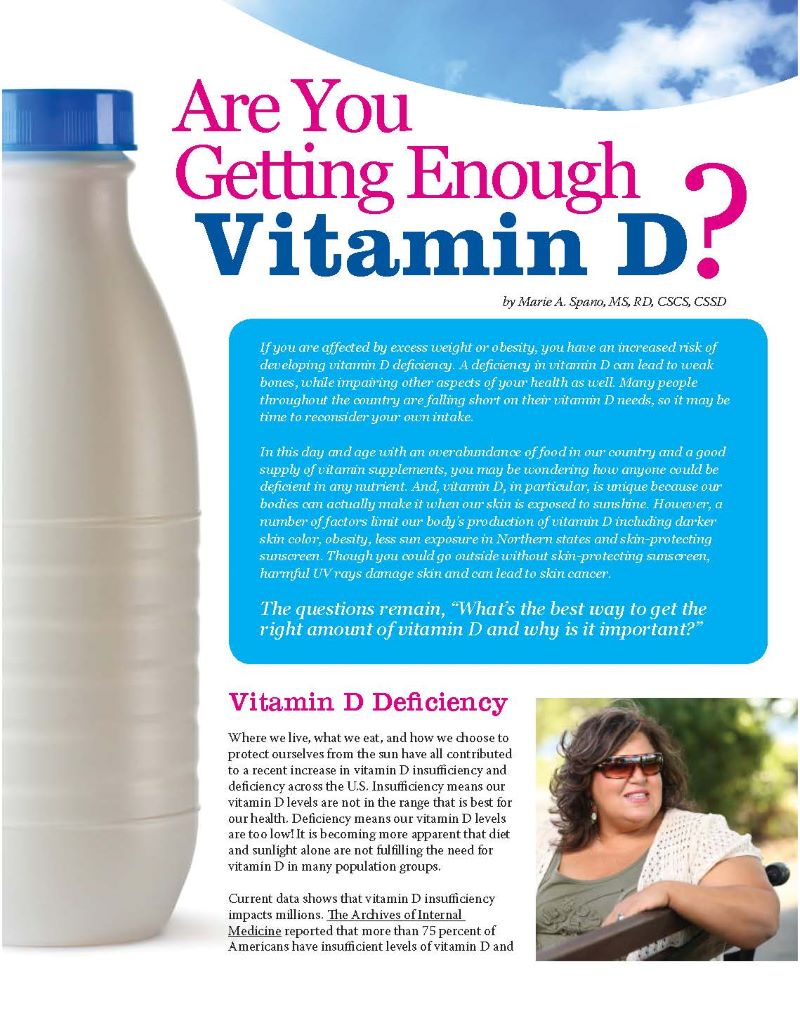
Think about Vitamin D. A slight deficiency can manifest as fatigue, muscle weakness, and even mood swings. Ever noticed a dip in your energy levels during the winter months? Reduced sunlight exposure often leads to lower Vitamin D production, and that fatigue you’re experiencing could be more than just seasonal blues.
Then there’s Vitamin C. Sure, we know it boosts immunity, but it’s also crucial for collagen production, which keeps our skin looking youthful and our wounds healing quickly. Skimp on Vitamin C, and you might notice slower healing cuts or a duller complexion.
B vitamins, particularly B12, are essential for energy metabolism and nerve function. A deficiency can lead to persistent fatigue, difficulty concentrating, and even tingling sensations in your hands and feet. For vegetarians and vegans, B12 deficiency is a significant concern, as it’s primarily found in animal products.
These short-term symptoms might seem manageable, but they can significantly impact your daily life. Reduced energy levels can affect productivity at work, while frequent colds can disrupt your social life. The accumulated impact can lead to a noticeable decline in your overall quality of life.
The Long Game:The Hidden Risks of Chronic Deficiency
While the short-term symptoms are annoying, the long-term consequences of vitamin deficiencies can be far more serious. Think of them as cracks forming in the foundation of your health, slowly weakening the entire structure.
A chronic Vitamin D deficiency, for example, can increase your risk of osteoporosis, making your bones brittle and prone to fractures later in life. It’s also linked to an increased risk of certain cancers, heart disease, and autoimmune disorders.
Low levels of Vitamin B12, if left untreated for years, can lead to irreversible nerve damage, potentially causing permanent neurological problems. Similarly, prolonged Vitamin C deficiency, while rare, can lead to scurvy, a condition characterized by weakness, anemia, and gum disease.
The key takeaway here is that many vitamin deficiencies develop slowly and silently. You might not notice significant symptoms for years, but the damage is accumulating beneath the surface.
So, How Do We Fix This? Practical Solutions for Vitamin Security
The good news is that addressing vitamin deficiencies doesn’t require drastic measures. With a few simple strategies, you can ensure you’re getting enough of these essential nutrients.
1. Know Your Nutritional Landscape: A Dietary Audit
The first step is understanding your current dietary intake. Take a closer look at what you eat on a typical day. Are you consuming a wide variety of fruits, vegetables, whole grains, and lean protein sources? Do you regularly include foods rich in specific vitamins, like leafy greens for Vitamin K or citrus fruits for Vitamin C?
Consider using a food tracking app or consulting with a registered dietitian to get a more accurate assessment of your nutrient intake. This will help you identify potential gaps in your diet.
Example: Sarah, a busy working professional, realized she was consistently skipping breakfast and relying on processed snacks throughout the day. After tracking her food intake for a week, she discovered she was significantly deficient in several key vitamins, particularly Vitamin D and B vitamins.
2. Food First, Always: Prioritizing Nutrient-Dense Options
The best way to obtain vitamins is through a balanced and varied diet. Focus on incorporating nutrient-dense foods into your meals and snacks.
- Vitamin A: Sweet potatoes, carrots, spinach
- Vitamin C: Citrus fruits, bell peppers, broccoli
- Vitamin D: Fatty fish (salmon, tuna), fortified milk and cereals
- Vitamin E: Nuts, seeds, vegetable oils
- Vitamin K: Leafy green vegetables
- B Vitamins: Whole grains, lean meats, eggs, dairy products, legumes
Think about adding a handful of berries to your morning oatmeal, incorporating colorful vegetables into your dinner stir-fry, or snacking on nuts and seeds instead of processed chips. Small changes can make a big difference.
3. Strategic Supplementation: Filling the Gaps
While a healthy diet should be the foundation of your vitamin intake, supplements can be a valuable tool for filling any nutritional gaps. However, it’s crucial to approach supplementation with caution and knowledge.
- Consult with a healthcare professional: Before starting any supplement regimen, talk to your doctor or a registered dietitian. They can help you identify specific deficiencies and recommend appropriate dosages.
- Choose quality supplements: Look for supplements that have been third-party tested for purity and potency. This ensures that you’re getting what the label claims.
- Be mindful of interactions: Some vitamins and supplements can interact with medications. Always inform your doctor about any supplements you’re taking.
Alternative Approaches and Considerations:
- Sunlight Exposure: Spending 15-20 minutes in the sun each day (without sunscreen) can help your body produce Vitamin D. However, be mindful of sun safety and avoid prolonged exposure during peak hours.
- Fortified Foods: Many foods are fortified with vitamins and minerals, such as milk fortified with Vitamin D and cereals fortified with iron and B vitamins.
- Gut Health: A healthy gut is essential for proper nutrient absorption. Consider incorporating probiotic-rich foods like yogurt and kefir into your diet to support gut health.
The Bottom Line:Empowering Your Health Through Vitamin Awareness
Navigating the world of vitamins can feel overwhelming, but it doesn’t have to be. By understanding the potential impacts of vitamin deficiencies, prioritizing a nutrient-dense diet, and strategically using supplements when necessary, you can take control of your health and well-being.
Don’t let the fear of complex information paralyze you. Start with small, manageable steps. Track your food intake for a few days, add a colorful vegetable to your next meal, or schedule a consultation with a healthcare professional.
Remember, investing in your vitamin health is an investment in your overall well-being, both now and in the future. It’s about empowering yourself to live a healthier, more energetic, and fulfilling life. So, take that first step today, and begin your journey towards vitamin security!